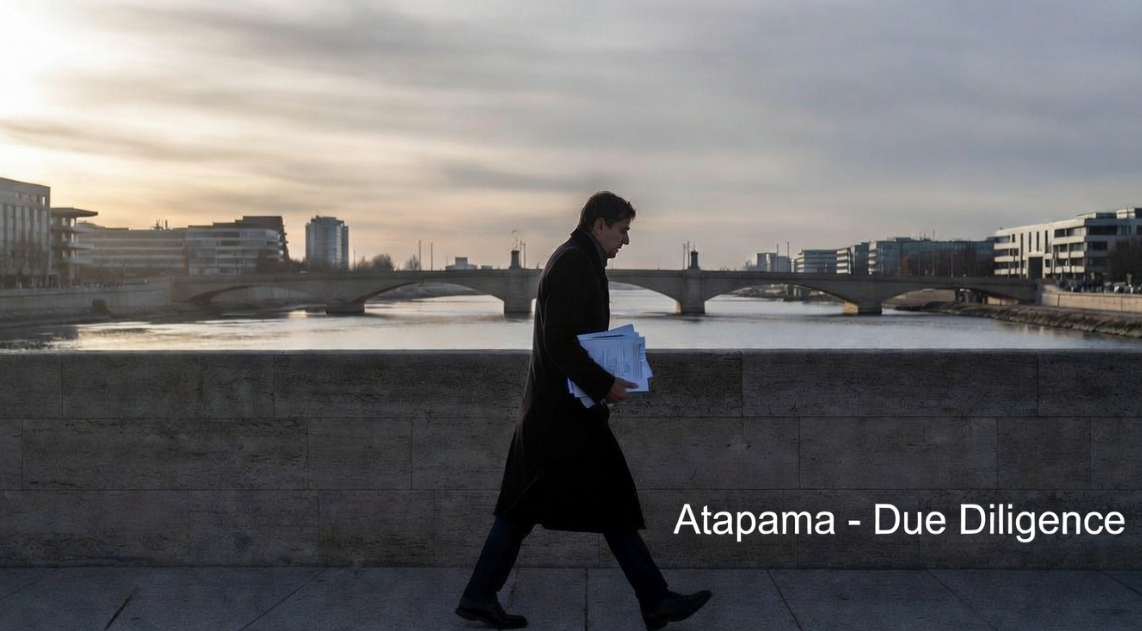
Lente Procedere, Sapienter Agere: De Responsabilitate Globali.
Proceeding slowly is often treated as a weakness in modern society, especially in legal and political environments that reward speed, visibility, and decisive gestures. Yet in international law, restraint is not only common but often necessary. Global legal systems are built on caution, negotiation, and incremental movement. The demand to act carefully, even when pressure mounts from within and without, shapes how states behave, how treaties evolve, and how justice is pursued across borders.
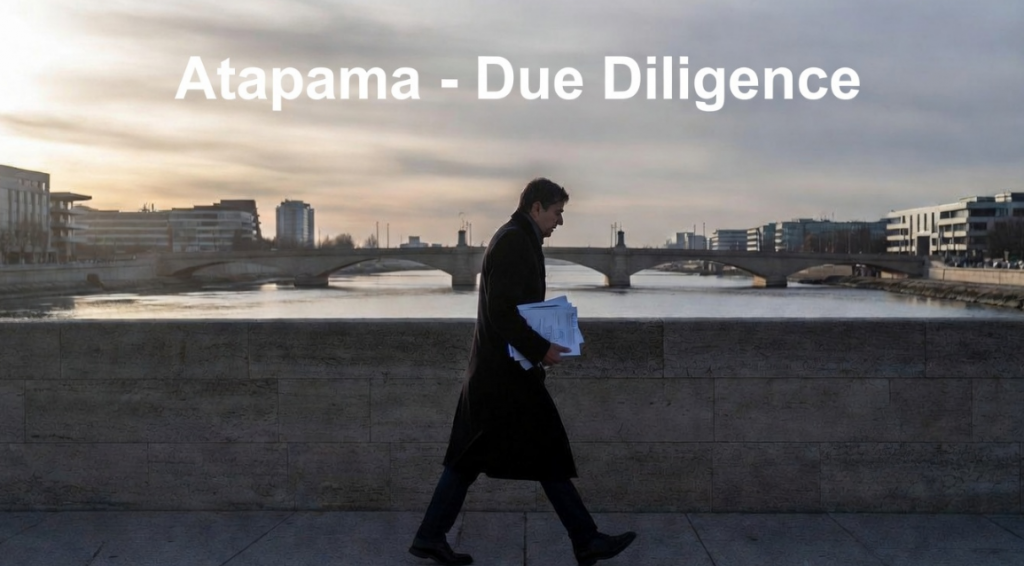
International Law is uniquely sensitive to hesitation. Unlike domestic legal systems, it lacks a single enforcing authority. Decisions must be made through consensus, persuasion, and mutual recognition. This structure means that moving too quickly can fracture cooperation, undermine legitimacy, and provoke resistance. Moving too slowly can frustrate victims, weaken norms, and allow harm to continue. The tension between urgency and restraint defines much of international legal practice.
Periods of enforced slowness often arise when states face internal doubts about capacity, legitimacy, or political stability. Governments may recognise the need to act but feel constrained by constitutional limits, divided institutions, or public scepticism. These internal inhibitions can be more powerful than external pressure. In such moments, the law becomes a space where frustration accumulates beneath formal language and procedural calm.
This dynamic is visible in treaty negotiations. States rarely refuse progress outright. Instead, they delay, request further study, or insist on technical clarification. On the surface, this appears cooperative. Beneath it lies anxiety about commitment, enforcement, and loss of control. The careful pacing of negotiations allows states to manage their own uncertainties while maintaining an appearance of engagement.
Sanctions regimes offer another example. When violations of international norms occur, there is often a strong emotional and political push to respond forcefully. Yet legal mechanisms require proportionality, evidence, and procedural fairness. States may feel intense internal pressure to demonstrate resolve while also fearing legal overreach. The resulting measures can appear cautious to the point of irritation. This restraint is not always moral clarity. It is often institutional self-protection.
International courts also operate within this tension. Judges and prosecutors are acutely aware that their authority depends on credibility. Acting too boldly risks backlash and non-compliance. Acting too cautiously risks accusations of irrelevance. Decisions are therefore crafted slowly, with dense reasoning and careful language. This process can feel exasperating to those seeking justice, but it reflects the fragile balance on which international adjudication rests.
The emotional dimension of slowness in law is rarely acknowledged. Legal actors are expected to present neutrality and composure. Yet beneath this surface, there is often anger, impatience, and a desire to break free from procedural restraint. Diplomats, judges, and legal advisers may feel that they are being held back by rules they understand but resent. This suppressed frustration can influence behaviour, leading to irritability in negotiations and rigidity in interpretation.
Compliance mechanisms illustrate how internal inadequacy shapes external action. Many states accept international obligations knowing that implementation will be difficult. Administrative capacity, funding, and political will may be lacking. Rather than admitting this openly, states proceed slowly, offering partial compliance and gradual reform. The law tolerates this to an extent, valuing engagement over perfection. However, prolonged delay can erode trust and weaken the normative force of obligations.
In humanitarian law, the cost of delay is especially stark. Protective norms exist to limit suffering, yet enforcement is often slow and cautious. Investigations take years. Responses are filtered through legal thresholds and political calculation. The frustration experienced by affected populations mirrors the internal conflict of institutions that know what ought to be done but hesitate to act decisively. This gap between moral urgency and legal restraint remains one of the central challenges of international law.
The principle of due diligence embodies the virtue and burden of proceeding slowly. States are required to take reasonable steps to prevent harm, not to guarantee outcomes. This standard recognises limitations while demanding effort. It allows space for careful action but also invites criticism when caution becomes an excuse for inaction. Determining when slowness is responsible and when it is negligent is a constant legal struggle.
International environmental law provides a clear illustration. Scientific uncertainty often justifies precaution. States move carefully, commissioning studies and negotiating standards. At the same time, delay can worsen damage that is difficult to reverse. Legal frameworks attempt to reconcile these pressures by embedding review mechanisms and progressive obligations. The result is a law that advances step by step, carrying the weight of internal doubt and external expectation.
The social perception of slow legal action is often negative. Media narratives favour decisive moments and clear outcomes. International law rarely delivers either quickly. This creates a legitimacy gap. Citizens may perceive global institutions as weak or indifferent, while those institutions feel unfairly constrained by the need for consensus and legality. The resulting tension feeds cynicism and disengagement.
Despite these challenges, slowness can be a source of strength. Careful procedure protects against abuse. Deliberation allows for broader participation. Incremental change can be more durable than sudden shifts. International law has survived precisely because it resists impulsive action. Its capacity to absorb frustration without collapsing is a testament to the value of restraint.
The key question is how to manage the emotional and political cost of proceeding slowly. Transparency is essential. Explaining why delay occurs and what steps are being taken can reduce suspicion. Acknowledging internal limitations openly can build trust. When institutions pretend that restraint is purely technical, they obscure the human struggle behind legal decision-making.
Reform efforts increasingly focus on improving efficiency without sacrificing care. Streamlined procedures, clearer timelines, and enhanced cooperation can reduce unnecessary delay. However, no reform can eliminate the fundamental tension between urgency and caution. International law will always move at a pace set by its most hesitant participants.
Ultimately, proceeding slowly in international law is not a failure of will but a reflection of collective vulnerability. States act through law to manage fear, anger, and uncertainty as much as to enforce norms. Recognising this human dimension allows for a more honest assessment of what international law can achieve.
The challenge is not to abandon restraint, but to ensure that it serves justice rather than avoidance. Slowness should be a deliberate choice grounded in responsibility, not a mask for paralysis. When care is combined with commitment, international law can move forward, even if each step feels painfully measured.
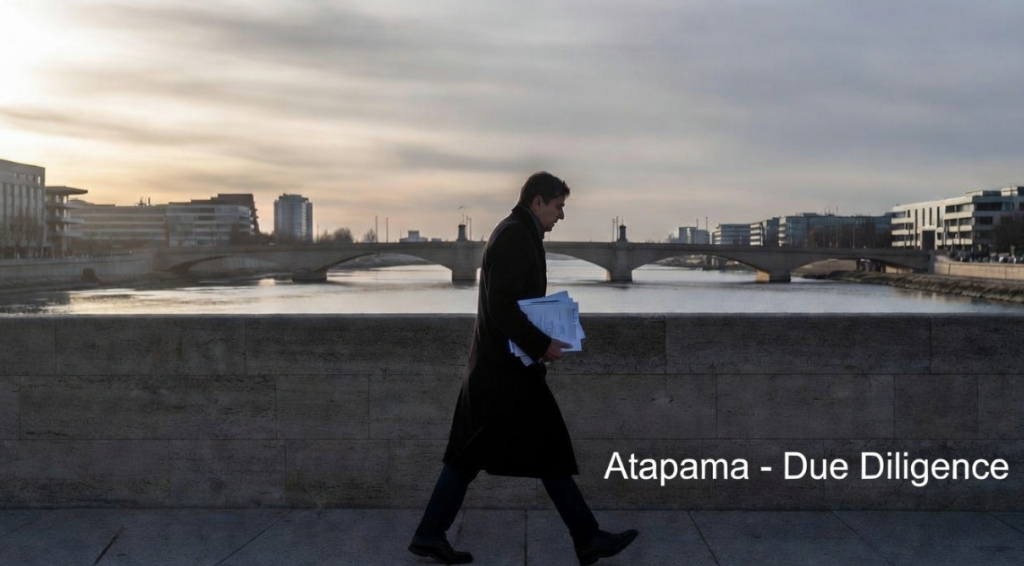
We walk with papers heavy in our hands,
The road is clear yet narrow underfoot.
Each careful step restrains our urge to run,
Anger held tight behind a measured face.
In waiting, law learns how to endure.
Мы движемся медленно, сдержав свой шаг,
Сомнения тихо идут рядом с нами.
Гнев прячем глубоко, под слоем слов,
И право учится терпению,
Пока мир ждёт решения.
X-X-X