What is the difference between opt-in and opt-out in Alternative Dispute Resolution (ADR)? This article breaks down how these legal mechanisms affect consent, fairness, and access to justice in mediation, arbitration, and beyond. Learn why it matters in contracts, consumer rights, and modern dispute systems.

I. Understanding Opt-In and Opt-Out in Law
In legal frameworks, opt-in and opt-out mechanisms refer to how individuals or entities become subject to rights, obligations, or procedural schemes. These mechanisms are fundamental in shaping consent, participation, and legal effect.
- Opt-In: A system in which individuals must take affirmative action to participate. Silence or inaction equals non-participation. Opt-in structures are typically associated with higher standards of informed consent and are favored when personal rights or privacy are at stake.
- Opt-Out: A structure in which individuals are automatically included unless they explicitly decline. This model emphasizes administrative efficiency and collective default rules, often used in class actions, regulatory compliance, or large-scale contract schemes.
Both systems raise issues around autonomy, fairness, and due process, with courts balancing efficiency against the necessity for clear, voluntary consent.
⚖️
II. Opt-In and Opt-Out in Alternative Dispute Resolution (ADR)
In ADR — including mediation, arbitration, and hybrid mechanisms — opt-in and opt-out systems play a critical role in defining how and when parties engage with out-of-court dispute resolution processes.
1. Opt-In in ADR
Under most ADR frameworks, participation is voluntary and requires mutual consent — a classic opt-in model. This means:
- Parties must explicitly agree to resolve disputes outside court through mediation or arbitration.
- ADR clauses in contracts are enforceable only when a clear, mutual agreement exists.
- Consent-based justice is central, to respecting party autonomy and procedural fairness.
Opt-in models ensure that parties understand the binding or non-binding nature of ADR and accept its procedural constraints — such as limited appeal rights in arbitration.
2. Opt-Out in ADR
Conversely, some legal systems or sectors embed ADR into procedural rules by default, making it an opt-out model. Examples include:
- Court-annexed mediation is where parties are required to mediate before proceeding to trial unless they formally opt out by showing good cause.
- Consumer contracts or employment agreements where pre-dispute arbitration clauses may create de facto opt-out systems — often criticized as lacking meaningful consent.
- Online dispute resolution (ODR) platforms in e-commerce automatically direct users to ADR unless they navigate an opt-out path.
Opt-out ADR models raise legal concerns around procedural fairness, especially when embedded in adhesion contracts or applied to vulnerable consumers. Courts often scrutinize such clauses for unconscionability or lack of informed consent.
⚖️
III. Legal and Policy Considerations
The debate between opt-in and opt-out in ADR raises key legal questions:
- Autonomy vs. Efficiency: While opt-out enhances access and systemic efficiency, opt-in respects personal agency and procedural transparency.
- Informed Consent: ADR relies on parties’ understanding and agreement. Opt-out may undermine this, particularly in low-literacy or low-resource contexts.
- Public Interest: Mandatory ADR or court-integrated schemes may serve broader justice goals (e.g., reducing court congestion) but must preserve individual rights.
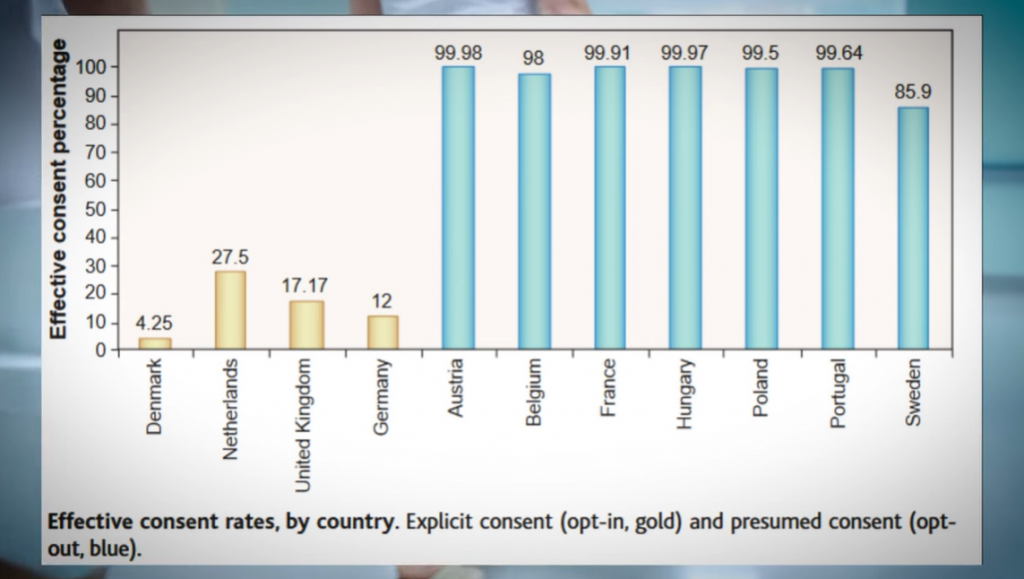
Recent reforms in jurisdictions like the EU and the UK encourage opt-out ADR schemes in consumer law — balanced by strong requirements for transparency, accessibility, and fairness.
⚖️
⚖️
IV. Conclusion
Opt-in and opt-out mechanisms fundamentally shape how parties engage with ADR. While opt-in prioritizes voluntariness, opt-out systems favor efficiency and scale. For ADR to remain legitimate and effective, legal systems must ensure that whatever mechanism is used, it upholds informed participation, procedural justice, and access to redress.
🔒⚖️🔒


I have been researching how opt-in and opt-out legal mechanisms affect consent, fairness, and access to justice in mediation, arbitration, and beyond.
You are right, as it is crucial to understand why these mechanisms matter in contracts, consumer rights, and modern dispute systems.
🌟⚖️🌟