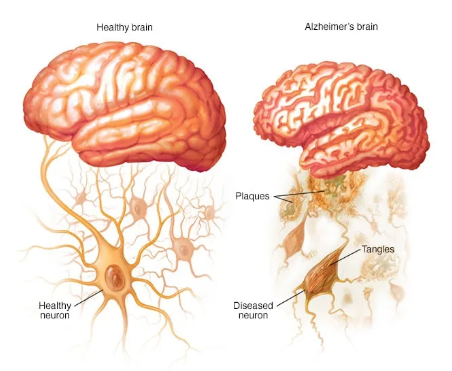
Fibromyalgia is a chronic condition characterized by widespread musculoskeletal pain, fatigue, and sleep problems, affecting approximately 2 to 4% of the population. It is more common in women than men and typically begins in middle age, though it can affect anyone. The exact cause is unknown, but researchers believe it involves changes in how the brain and spinal cord process pain signals, leading to heightened sensitivity.
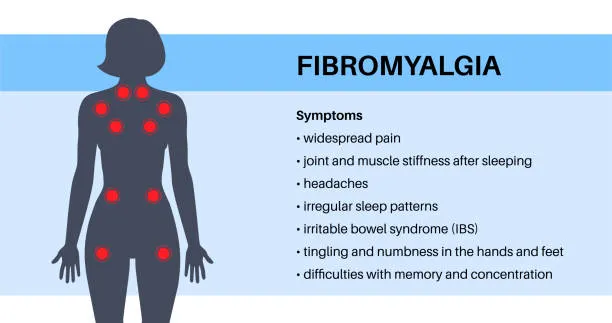
Key Symptoms
- Widespread Pain: A constant dull ache lasting at least three months, occurring on both sides of the body and above and below the waist.
- Fatigue: Severe tiredness that does not improve with sleep, often due to pain disrupting restorative sleep stages.
- Cognitive Issues: Often called “fibro fog,” this includes trouble concentrating, memory lapses, and difficulty multitasking.
- Other Symptoms: Headaches, depression, anxiety, and sensitivity to light, noise, or temperature.
Diagnosis and Treatment
There is no specific test for fibromyalgia; diagnosis is based on symptoms after ruling out other conditions like autoimmune disorders or thyroid disease. Treatment focuses on symptom management through a combination of approaches, including:
- Medications: Such as antidepressants, anti-seizure drugs, or pain relievers.
- Lifestyle Changes: Regular low-impact exercise, stress management, and good sleep hygiene.
- Therapy: Cognitive behavioral therapy (CBT) to help cope with chronic pain and associated mental health issues.
X
I will give you love. Anything by 3T with music lyrics:
https://www.youtube.com/watch?v=WP5fjITx3A0
XXX