Introduction
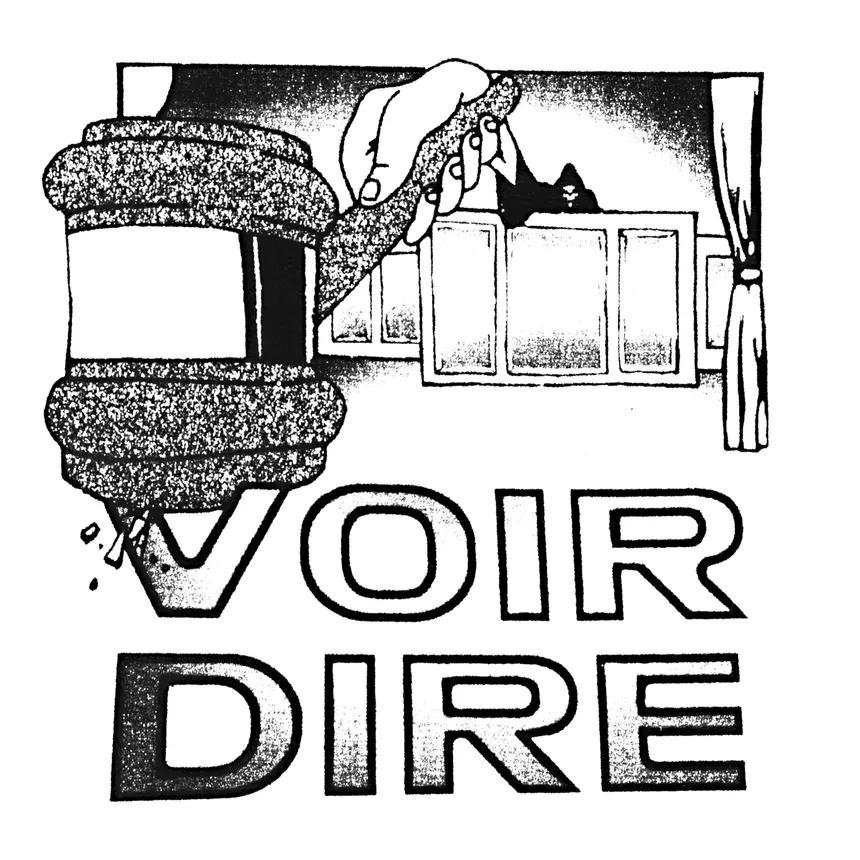
Voir dire (/\u02c8vwɑːr dɪər/ or /vɔɪr daɪər/) is a crucial legal procedure used in common law courts to ensure impartiality in trials. The term, derived from Anglo-Norman, means “to speak the truth” and refers to the process of selecting a fair and unbiased jury or examining the qualifications of expert witnesses. Voir dire plays an essential role in upholding justice by ensuring that both the prosecution and defense receive a fair trial.
Voir dire is a legal term that refers to the process of questioning potential jurors to determine their suitability for jury service and their ability to be fair and impartial in a given case.

Jury Selection in Voir Dire
One of the primary functions of voir dire is the selection of jurors. During this phase, attorneys from both sides, along with the judge, question potential jurors to determine their suitability for the case. The aim is to identify any biases, preconceived notions, or conflicts of interest that may affect a juror’s ability to be impartial.
Attorneys may challenge jurors in two ways:
- For Cause Challenge: If an attorney believes a juror is biased or incapable of rendering an impartial verdict, they can request the judge to remove that juror for cause.
- Peremptory Challenge: Each side is also given a limited number of peremptory challenges, which allow them to dismiss a juror without providing a reason. However, these challenges cannot be used to exclude jurors based on race, gender, or other discriminatory factors.
Expert Witness Examination
Voir dire is also used to assess the qualifications of expert witnesses before they testify. The opposing counsel may challenge the credibility or expertise of a witness by questioning their education, experience, and prior testimony. If the judge deems the expert unqualified or biased, their testimony may be excluded from the trial.
The Role of Voir Dire in Ensuring Justice
The voir dire process is fundamental in protecting the rights of both the defendant and the prosecution. It helps maintain the integrity of the judicial system by ensuring that jurors are impartial and that expert witnesses are qualified. While the process varies across jurisdictions, its core objective remains the same: to create a fair trial environment free from undue influence or bias.
Conclusion
Voir dire is an essential aspect of the legal system that upholds the principles of fairness and justice. Whether in jury selection or the evaluation of expert witnesses, this process ensures that trials are conducted with integrity. By carefully scrutinizing those involved in the judicial proceedings, voir dire reinforces the foundation of a just legal system.
xxx