11th March 2025
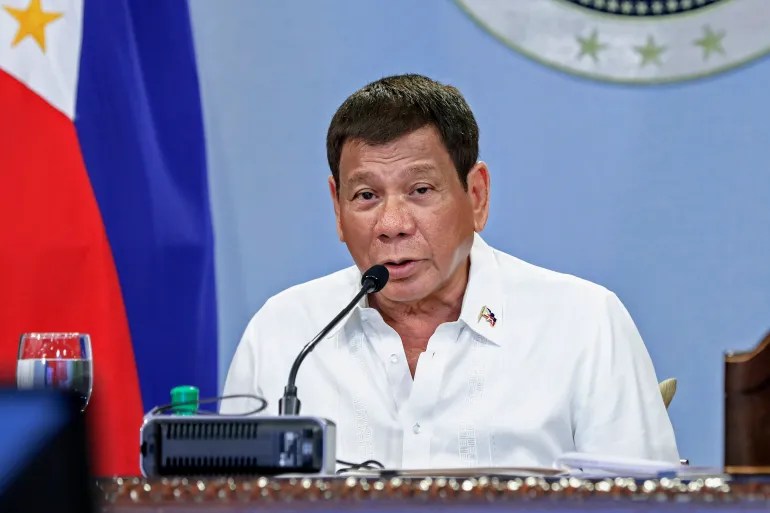
A Nation Divided – The Philippines found itself at the center of a global legal storm as former President Rodrigo Duterte was arrested upon his return to Manila from Hong Kong. Hours later, he was on a plane bound for The Hague, Netherlands, to face the International Criminal Court (ICC) on charges of crimes against humanity linked to his administration’s brutal “war on drugs.” This high-profile case has ignited fierce debates across the archipelago and beyond, pitting questions of justice against assertions of national sovereignty while thrusting the Duterte family, and the nation, into uncharted legal and political territory.
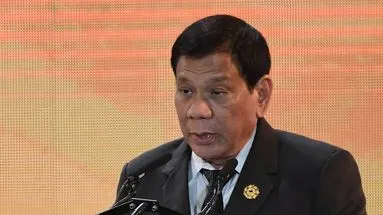
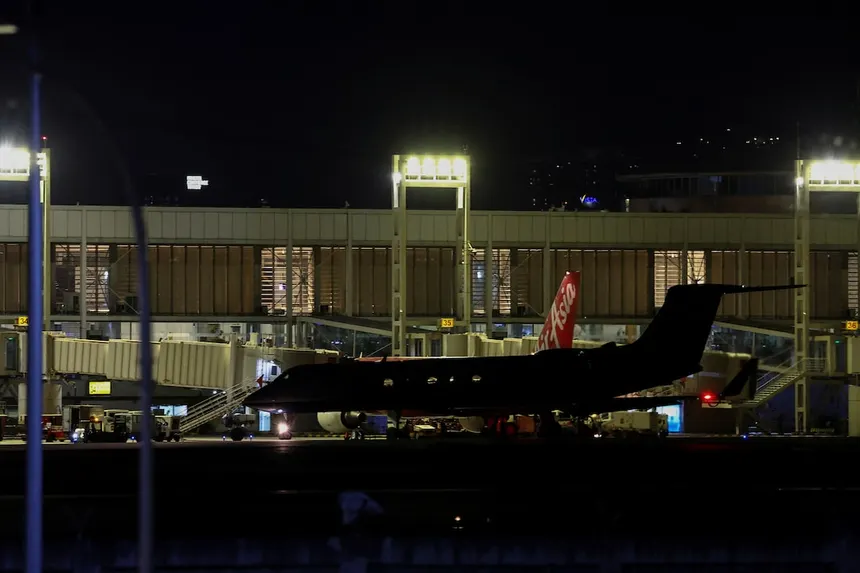
The arrest unfolded with dramatic speed. Duterte, 79, landed at Ninoy Aquino International Airport at 9:20 a.m., where Interpol Manila, armed with an ICC warrant, took him into custody. By 11:03 p.m. that evening, President Ferdinand Marcos Jr. confirmed that a chartered plane had departed Villamor Air Base, carrying the former leader to face allegations of orchestrating a campaign that left thousands dead between 2011 and 2019. The ICC accuses Duterte of criminal responsibility for at least 43 murders, tied to his time as mayor of Davao City and his presidency from 2016 to 2022, though human rights groups estimate the death toll from his drug war could exceed 30,000.
The charges stem from a policy that Duterte himself described unapologetically. “I do not care about human rights, believe me,” he declared in 2016, shortly after taking office, vowing to eradicate the country’s drug problem within six months. What followed was a relentless campaign marked by police operations and shadowy vigilante killings, targeting mostly poor, urban men. Official police records tally over 7,000 deaths, but activists argue the true number includes countless unreported extrajudicial executions, some involving children as young as three.
As news of Duterte’s arrest spread, it trended heavily online, capturing a polarized public response. Supporters rallied outside Villamor Air Base, decrying the move as an assault on Philippine sovereignty, while victims’ families and human rights advocates hailed it as a historic step toward accountability. “This is a long-awaited day for justice,” said Randy Delos Santos, whose nephew Kian was killed by police in 2017, echoing a sentiment shared by many who lost loved ones.
Adding a dramatic twist, Duterte’s youngest daughter, Veronica “Kitty” Duterte, filed a habeas corpus petition with the Philippine Supreme Court on 12th March, challenging the legality of her father’s detention and transfer. Represented by the Panelo Law Office, Kitty argued that the arrest and swift extradition violated Philippine law, specifically Presidential Decree No. 1069, which governs extradition procedures. The petition claims Duterte was denied his right to contest the process in a local court and that the ICC lacks jurisdiction since the Philippines withdrew from the Rome Statute in 2019. “The government blatantly ignored legal safeguards,” the filing asserts, demanding his immediate return from The Hague.
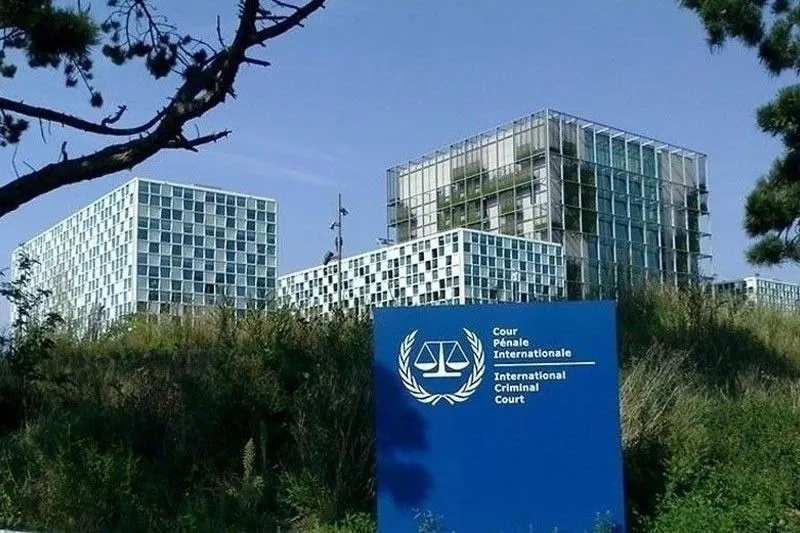
The legal battle has amplified an already heated discourse. Duterte’s allies, including Senator Ronald Dela Rosa, a key architect of the drug war, have decried the arrest as “unlawful” and a betrayal of national autonomy. They point to the Philippines’ exit from the ICC, arguing it nullifies the court’s authority. Yet the ICC maintains it retains jurisdiction over crimes committed before the withdrawal took effect, a position that has fueled tensions between international law and domestic sovereignty. Posts online reflect this divide, with some web users framing the case as “foreign interference,” while others celebrate it as a triumph over impunity.
For Marcos Jr., who succeeded Duterte in 2022, the decision to cooperate with the ICC marks a stark reversal from his initial stance of non-compliance. Analysts suggest this shift reflects a deepening rift with the Duterte family, once political allies. The arrest comes amid the impeachment of Vice President Sara Duterte, Rodrigo’s eldest daughter, and signals a broader power struggle as midterm elections loom in May 2025. “Marcos has cut off the head of the snake,” political analyst Richard Heydarian told TIME, hinting at a calculated move to weaken the Duterte dynasty.
Meanwhile, in Manila, the Supreme Court faces mounting pressure as it weighs Kitty’s petition. Legal experts are split: some argue the court lacks authority over an international tribunal, while others see a chance to assert Philippine jurisdiction. The plane carrying Duterte, which made a layover in Dubai on 12th March, remains under Philippine custody, offering a slim window for intervention if the court acts swiftly.
As Duterte prepares to face ICC judges, the Philippines stands at a crossroads. For his supporters, he remains a populist hero who brought order to a crime-ridden nation; for his critics, he is a symbol of unchecked violence.
The outcome of this case, whether in The Hague or Manila, will reverberate far beyond its borders, testing the limits of international justice and the resilience of a nation grappling with its past. Online and in the streets, the conversation rages on, a testament to a saga that has only just begun.
xxx