Lex ut Electio: Potestas, Libertas et Aequalitas.
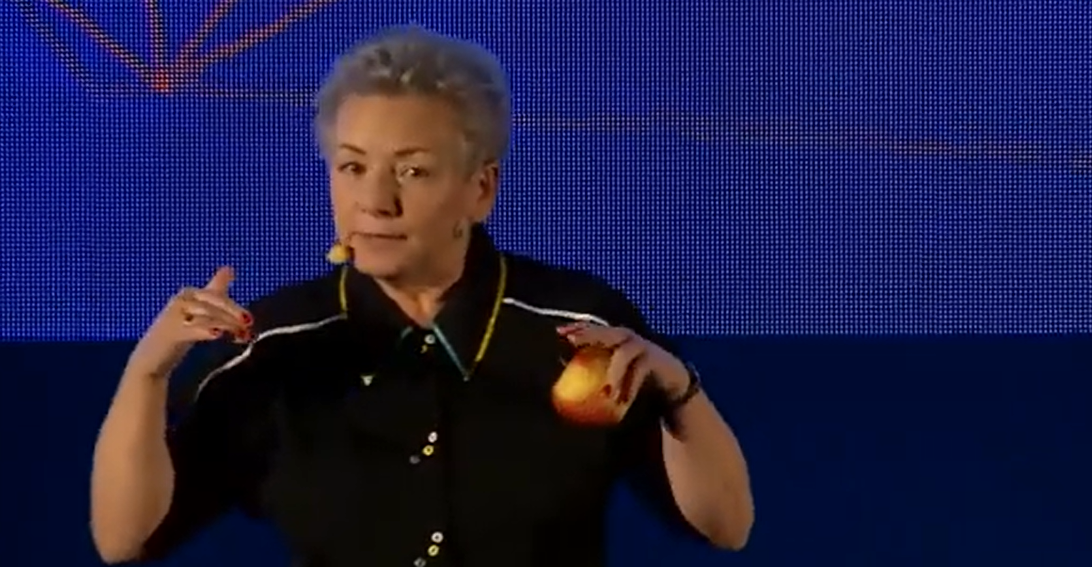
Law is often presented as a neutral system that simply applies rules to facts. Yet this image conceals a deeper reality: law is not merely a mechanical application, but a continuous process of selection between competing moral and political ideas.
Every legal rule reflects a choice between different understandings of power, freedom, and equality. For example, in questions of sexual autonomy, the law must decide whether to prioritise bodily integrity and consent, or broader notions of individual freedom and relational ambiguity. These choices are not purely technical; they are shaped by social values, historical inequalities, and institutional structures.
In this sense, law does not stand above politics; it translates political struggle into legal form. Competing feminist legal theories make this visible by showing that legal categories such as “consent,” “harm,” or “freedom” are not fixed truths but contested meanings.
International law operates in the same way. Behind its language of universality lies negotiation, compromise, and power. States and institutions continually shape legal norms through diplomatic processes that reflect differing interests and worldviews.
To understand law, therefore, is to recognise that it does not simply apply rules, because the law chooses between competing visions of how society should be organised.

Law Does Not Only Speak Rules
Law does not only speak in rules, it also listens to the weight of silence,
to arguments dressed as truth, to power wearing the mask of reason.
It chooses between hands that reach for freedom, and hands that close around protection,
between equality promised in words, and equality withheld in practice.
In every verdict, a hidden fork in the road, not discovery, but decision,
not certainty, but a struggle between what is said and what is meant.
And in that space, law breathes the tension of the world itself.
Закон не только говорит правила
Закон не только говорит правила, он слушает тяжесть тишины,
аргументы, одетые в правду, и власть, переодетую в разум.
Он выбирает между руками, что ищут свободу, и руками, что ищут защиту,
между равенством, обещанным словами, и равенством, скрытым в реальности.
В каждом решении, развилка, не открытие, а выбор,
не уверенность, а борьба между сказанным и настоящим.
И в этом пространстве закон дышит напряжением мира.
Nikona Calling | I have a calling
https://youtube.com/shorts/v86csIaxsMI
In The Prince, Machiavelli asks a blunt question: Is it better to be loved or feared? His answer is practical and uncomfortable. Fear is more reliable. Love is conditional. Many modern lawyers pretend this dilemma is outdated. It is not. It is embedded in international relations, treaty enforcement, and even domestic compliance frameworks.
🔗 Website: https://atapama.co.uk/love-versus-fear-a-legal-and-diplomatic-reckoning
🎦 Video: https://youtube.com/shorts/v86csIaxsMI
©ATAPAMA | Copyright Law | All Rights Reserved

🚀🚀🚀