Fear is a natural and fundamental human emotion that arises in response to a perceived threat or danger. It is a complex psychological and physiological response that prepares the body and mind to react to potential harm. Fear can manifest in various forms, from mild anxiety to intense panic, depending on the individual and the specific situation.
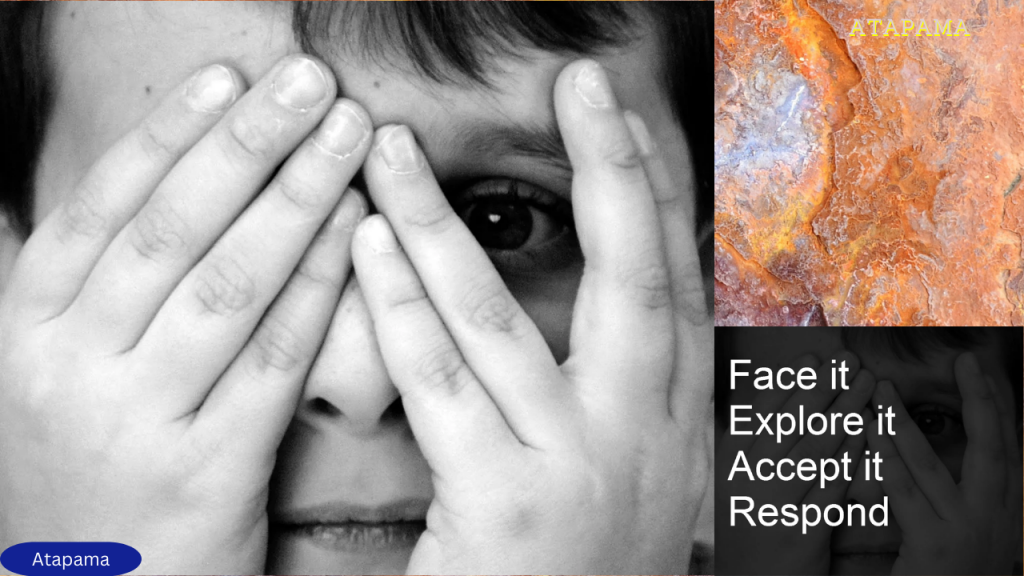
This response includes physical reactions such as increased heart rate, heightened alertness, and the release of stress hormones like adrenaline. The primary purpose of fear is to ensure survival. When we encounter something that our brain perceives as a threat, it triggers a “fight or flight” response. These changes prepare us to either confront the threat or escape from it. Fear can be a valuable emotion because it helps us avoid dangerous situations and make quick decisions in the face of danger.
However, fear can also be manipulated or exploited for various reasons. Some individuals or groups may use fear to achieve specific goals, such as gaining power, control, or financial benefits.
Reasons why people might sell fear to others
Understanding the psychology of fear and how it can be exploited can help people make informed decisions and resist manipulation.
It is important for individuals to be critical thinkers and judicious consumers of information. While fear can be a legitimate response to genuine threats, it is also essential to evaluate the credibility of sources and consider the motivations behind fear-based messaging.
Definition of a fearmonger
A fearmonger is someone who spreads or promotes fear, often without valid or reliable information, with the intent of creating panic, anxiety, or unease in others. Fearmongers typically exaggerate or manipulate facts and use emotional appeals to stoke fear and insecurity in individuals or within society as a whole. Their actions may be motivated by various reasons, such as personal gain, power, or advancing a particular agenda.
Fearmongers can operate in various domains, including politics, media, advertising, and social interactions. In politics, for example, a fearmonger might use scare tactics to gain support for a particular candidate or policy. In advertising, products or services may be marketed by playing on people’s fears or insecurities. In the media, fearmongering can involve sensationalizing stories to attract more viewers or readers.
It is essential for individuals to critically evaluate information and consider the credibility of sources to avoid being influenced by fearmongers and to make informed decisions. Recognizing fearmongering tactics and being aware of the motivations behind fear-based messaging can help people navigate a world where fear can sometimes be used as a manipulative tool.
Solutions to help avoid fear
Fear is a natural and often healthy response to perceived threats or dangers. It serves as a built-in survival mechanism that prepares us to respond to challenges. While it is not always possible or advisable to completely avoid fear, herein below are several strategies to manage and overcome fear when it becomes overwhelming or irrational:
- Identify and Understand Your Fears: The first step in overcoming fear is to recognize and understand what you are afraid of. Identifying the source of your fear can help you address it more effectively.
- Face Your Fears: In many cases, avoidance can reinforce fear. Gradually facing your fears in a controlled and safe manner through exposure therapy can help reduce the fear response over time.
- Practice Relaxation Techniques: Techniques like deep breathing, meditation, and progressive muscle relaxation can help you manage anxiety and fear by promoting relaxation and reducing the physical symptoms of fear.
- Seek Support: Talking to friends, family members, or a mental health professional can provide valuable support and guidance in managing fear and anxiety.
- Educate Yourself: Sometimes, fear is rooted in misinformation or a lack of understanding. Educating yourself about the things you fear can help demystify them and reduce anxiety.
- Mindfulness and Meditation: These practices can help you stay in the present moment and develop a more balanced perspective on your fears.
- Exercise Regularly: Physical activity can help reduce stress and anxiety, making it easier to manage fear.
- Set Realistic Goals: Setting achievable goals can give you a sense of control and accomplishment, which can help reduce fear and anxiety.
- Limit Exposure to Fear-Inducing Media: Reducing your exposure to fear-inducing news or media content, especially if it is causing unnecessary anxiety, can be beneficial.
- Healthy Lifestyle Choices: Eating a balanced diet, getting enough sleep, and avoiding excessive alcohol, drugs, and caffeine can help stabilize mood and reduce anxiety.
- Cognitive Behavioral Therapy (CBT): CBT is a therapeutic approach that helps individuals identify and change negative thought patterns and behaviors associated with fear and anxiety.
- Mindset Shift: Work on shifting your perspective from one of fear to one of resilience and empowerment. Try to reframe your thoughts and focus on positive outcomes and solutions.
Remember that fear is a natural part of being human, and it is not always something to be avoided entirely. In many cases, fear can be a useful signal that alerts you to potential dangers. The goal is not to eliminate fear entirely but to manage it in a way that allows you to live a fulfilling life without being overly controlled by irrational or excessive fears.
When fear is significantly impacting your daily life, consider seeking help from a mental health professional who can provide personalized strategies and support.

Don’t Be Afraid.
Focus. Self-Care. Enjoy Life. Soldier On.
Life Is For Living.
©ATAPAMA | Copyright Law | All Rights Reserved
xxx