January weekend in Lviv, Ukraine 🇺🇦
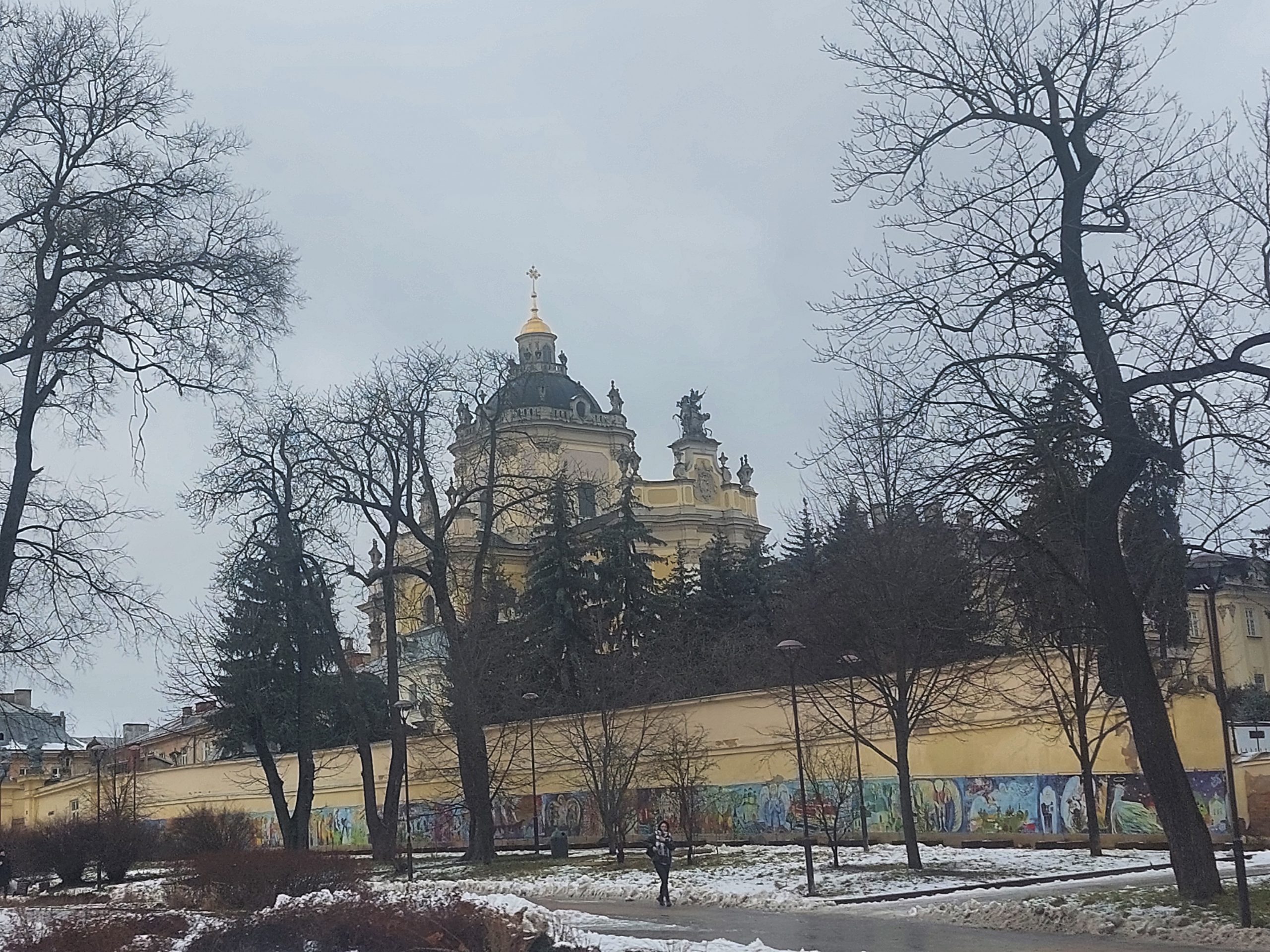
Lviv, often spelled as Lvov or Lwow in historical contexts, is a city located in Western Ukraine. It is one of the country’s major cultural and educational centers, known for its rich history, stunning architecture, and vibrant atmosphere. Lviv is a city filled with charm, history and plenty of fun things to do.
History
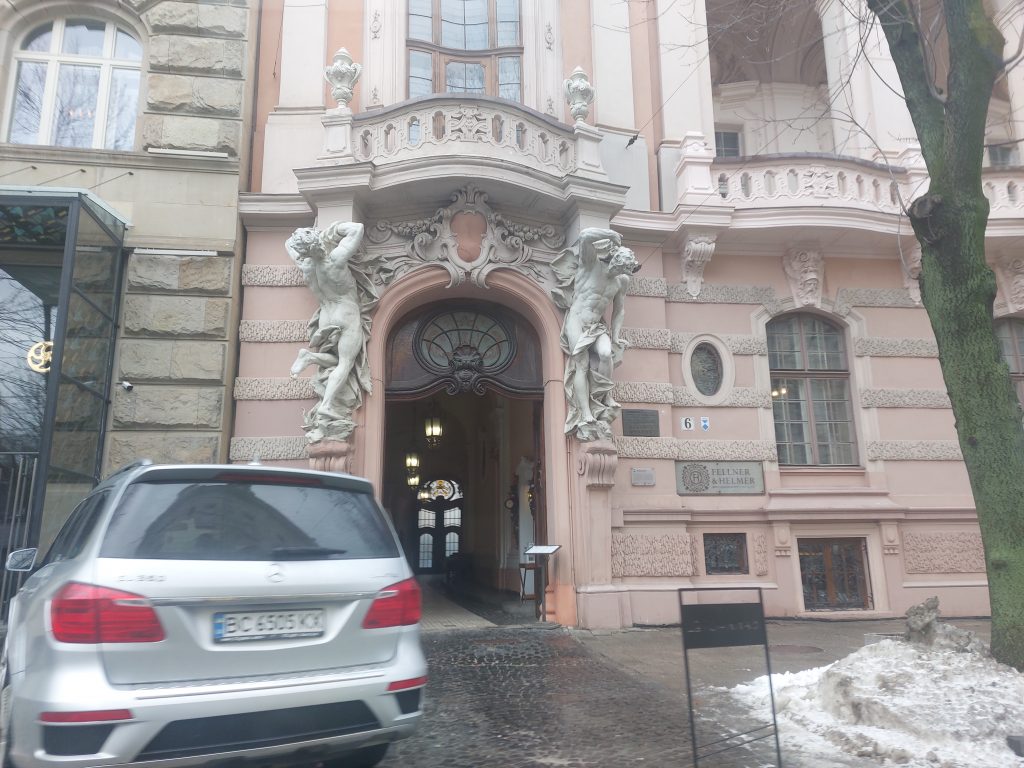
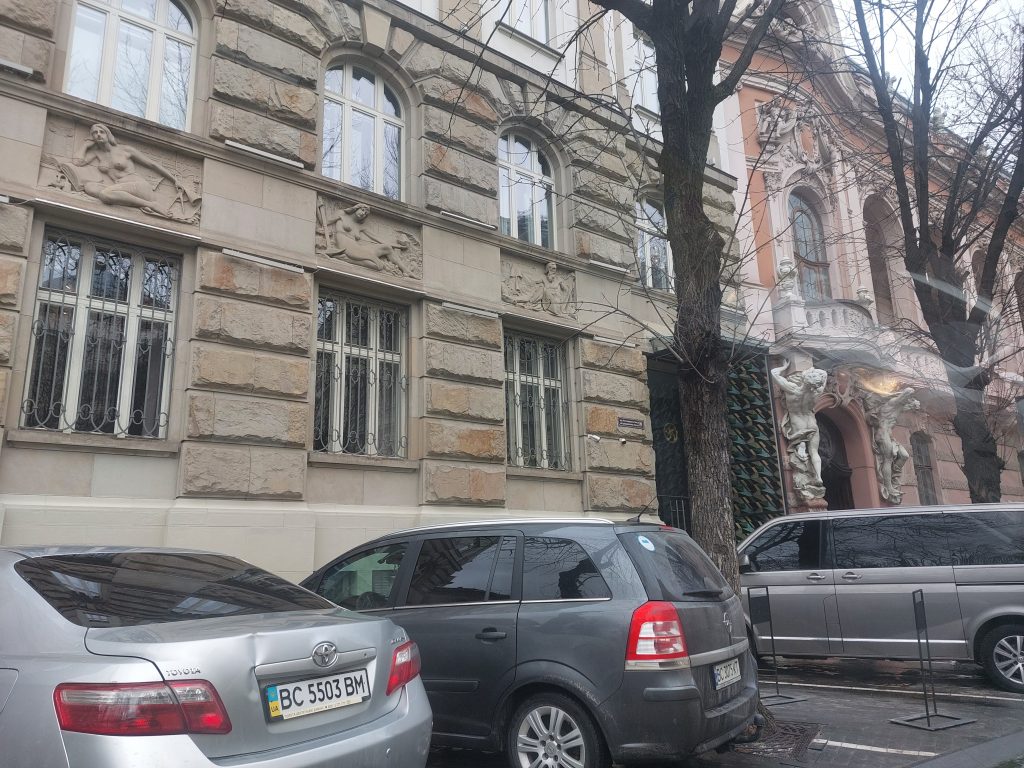
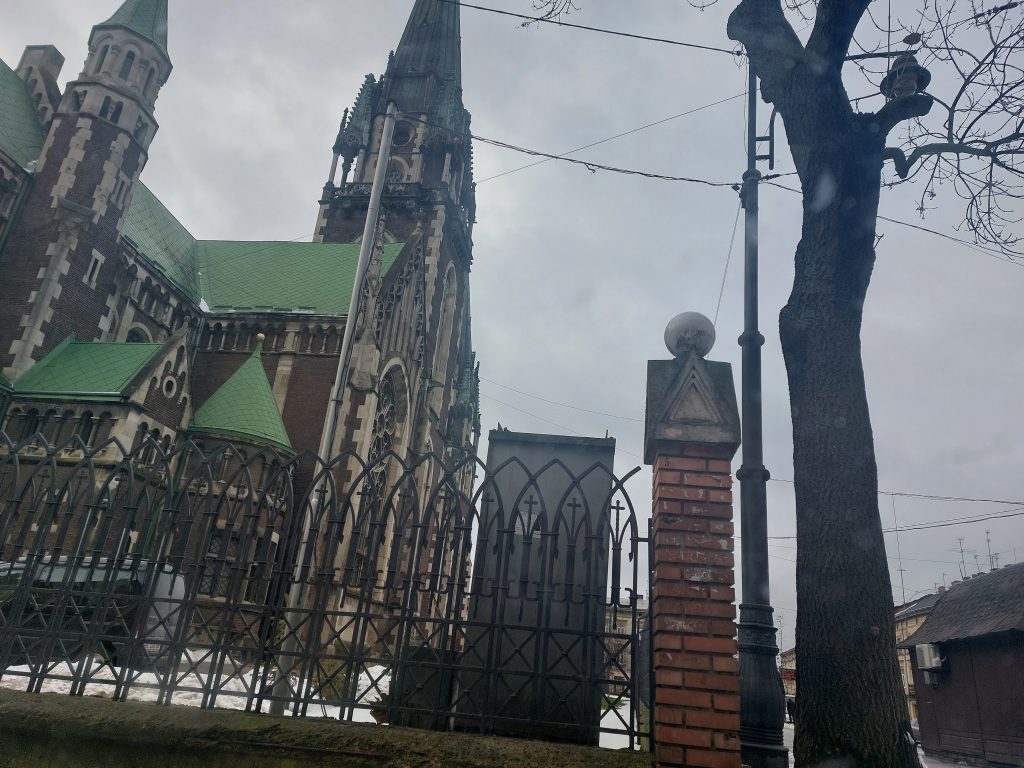
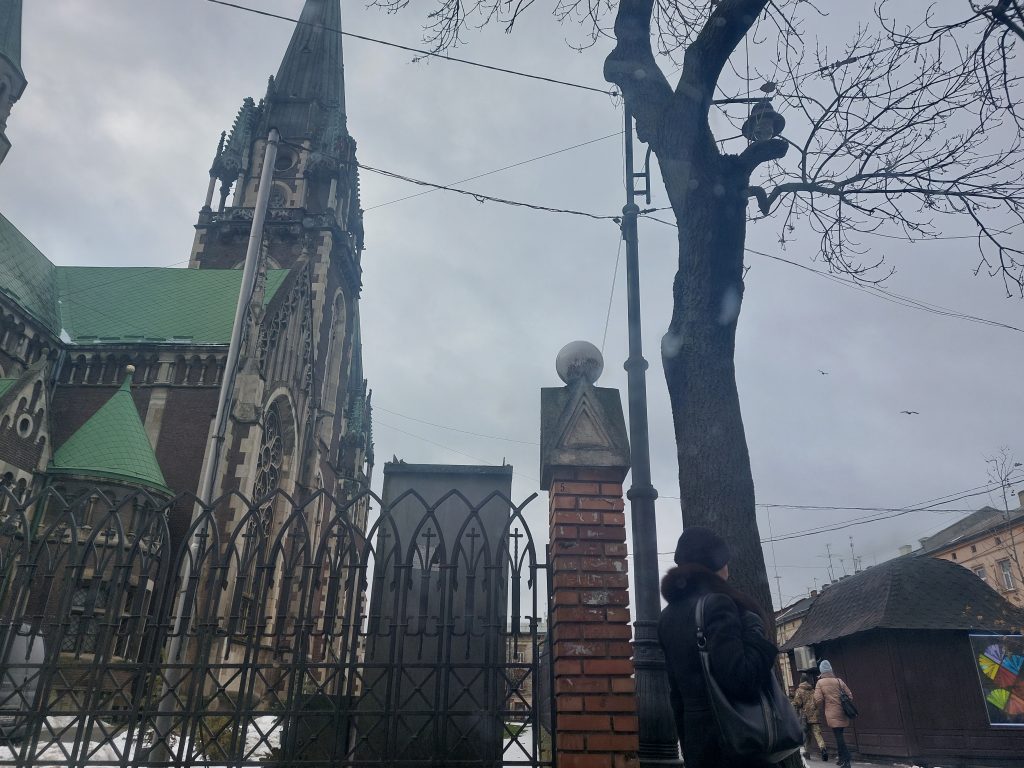
Lviv has a long and complex history, having been part of various empires and states over the centuries, including the Kingdom of Poland, the Austro-Hungarian Empire, and the Soviet Union. Its architecture reflects this diverse heritage, with influences from Gothic, Renaissance, Baroque, and Neoclassical styles.
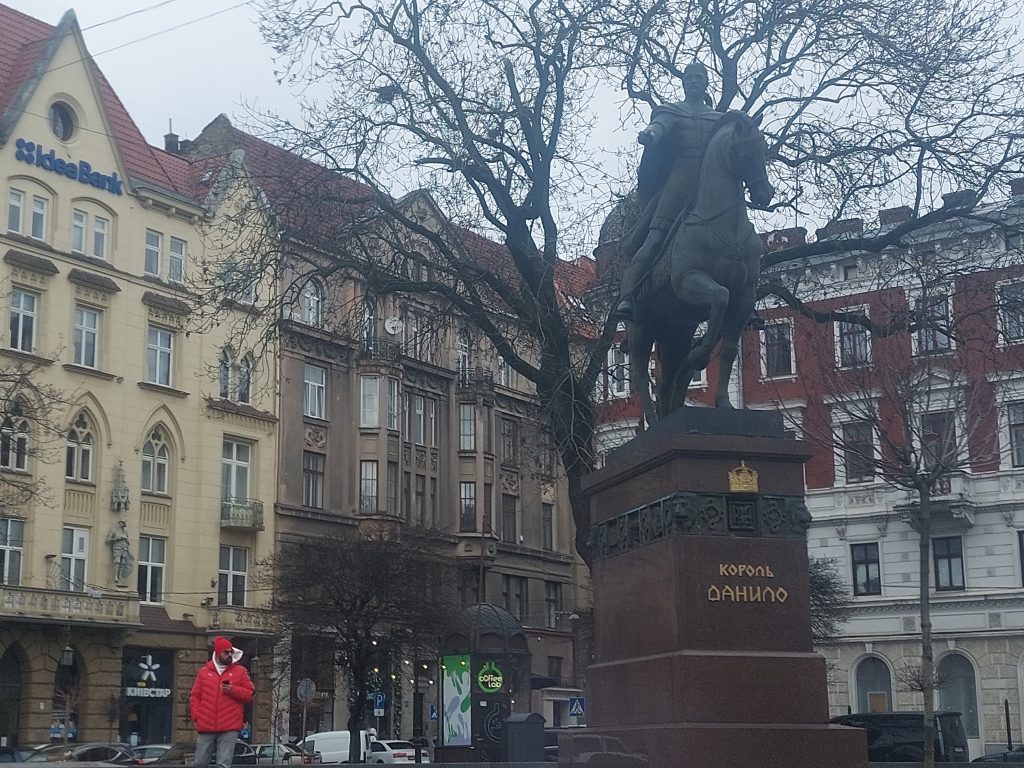
Lviv was officially established in 1256 by King Daniel of Galicia within the Ruthenian principality of Halych-Volhynia and christened in homage to his son Lev. The term “Lviv” could be rendered in English as “Lion’s territory” or “Lion’s City” (thus the Latin designation Leopolis).
In 1261, the city fell to the Tatars. Various accounts describe the events, ranging from the sacking of the castle to the destruction of the city. All sources concur that it was at the command of the Mongol general Burundai. The Shevchenko Scientific Society recounts that Burundai ordered the city’s destruction, as the Galician-Volhynian chronicle states in 1261: “Buronda said to Vasylko: ‘Since you are at peace with me, then demolish all your fortresses.’
” Basil Dmytryshyn suggests that the command was implicit regarding the entire fortifications: “If you want peace with me, then obliterate [all fortifications of] your cities.” According to the Universal-Lexicon der Gegenwart und Vergangenheit, the city’s founder was directed to dismantle the city himself.
After Daniel’s demise, Lev reconstructed Lviv circa 1270. By selecting Lviv as his abode, Lev elevated Lviv to the capital of Galicia-Volhynia. The city is initially documented in the Halych-Volhynian Chronicle, which dates from 1256. As a significant commercial hub, Lviv drew German, Armenian, and other merchant groups. The city flourished rapidly due to an influx of Polish migrants from Kraków, Poland, following a severe famine there. Around 1280, numerous Armenians resided in Galicia, primarily centered in Lviv, where they had their own Archbishop.
In 1323, the Romanovich dynasty, a local offshoot of the Rurik Dynasty, expired. The city passed to Boleslaus of Masovia, who inherited both the Piast dynasty through his father and the Romanovich dynasty through his mother. He assumed the name “Yuriy” and embraced Eastern Orthodoxy but failed to garner the support of local nobles and was ultimately poisoned by them.
The Grand Duchy of Lithuania inherited the city in 1340 and was governed by voivode Dmytro Dedko, the favorite of the Lithuanian prince Lubart, until 1349.
Culture
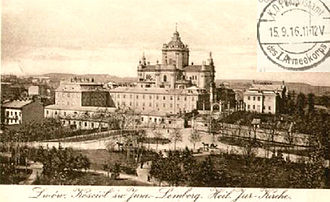
Lviv is renowned for its cultural scene, with numerous museums, theaters, and art galleries. The city hosts many festivals throughout the year, celebrating music, literature, film, and cuisine. Its historic center is a UNESCO World Heritage Site, attracting tourists from around the world.
Ethnic Diversity
Historically, Lviv has been a melting pot of different ethnicities, including Ukrainians, Polish, Jews, Armenians, and others. Each group has left its mark on the city’s culture, cuisine, and architecture. However, like much of Ukraine, Lviv has also experienced tensions and conflicts related to ethnic identity.
Education
Lviv is home to several universities and colleges, including Lviv University, one of the oldest and most prestigious in Eastern Europe. The city has a reputation for academic excellence and has produced many scholars, scientists, and intellectuals.
Cuisine
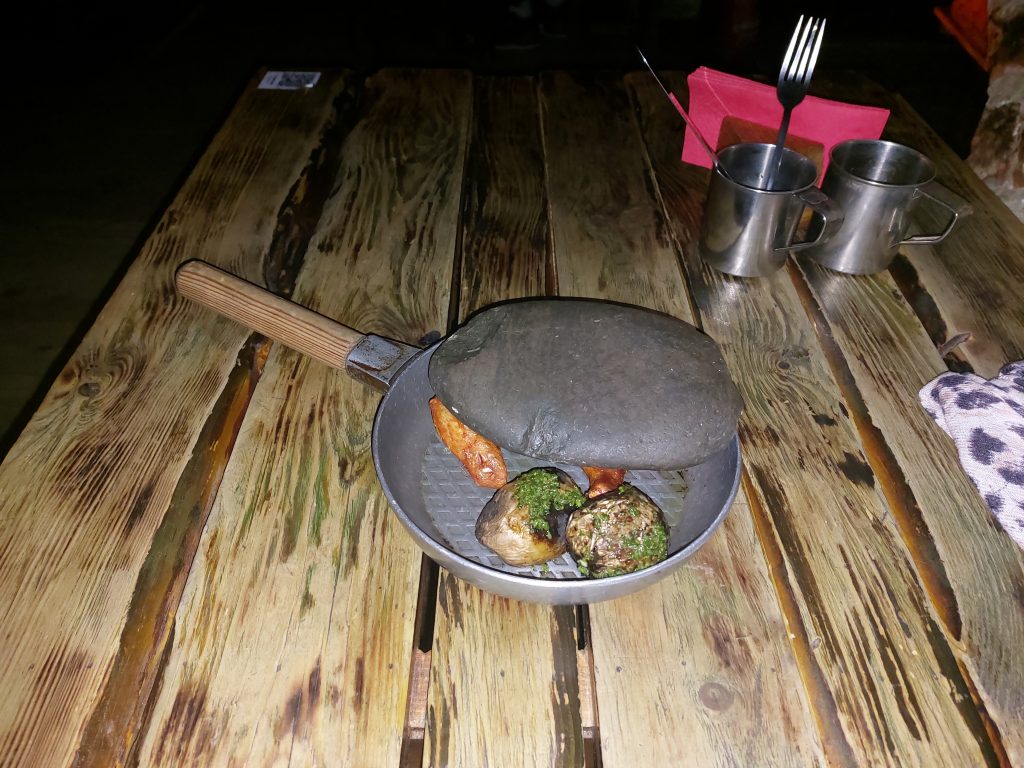
Lviv offers a diverse culinary experience, blending traditional Ukrainian dishes with influences from Polish, Jewish, and Austrian cuisines. Visitors can enjoy hearty soups, dumplings (such as varenyky), savory pies, and delicious pastries at local cafes and restaurants.
Tourism
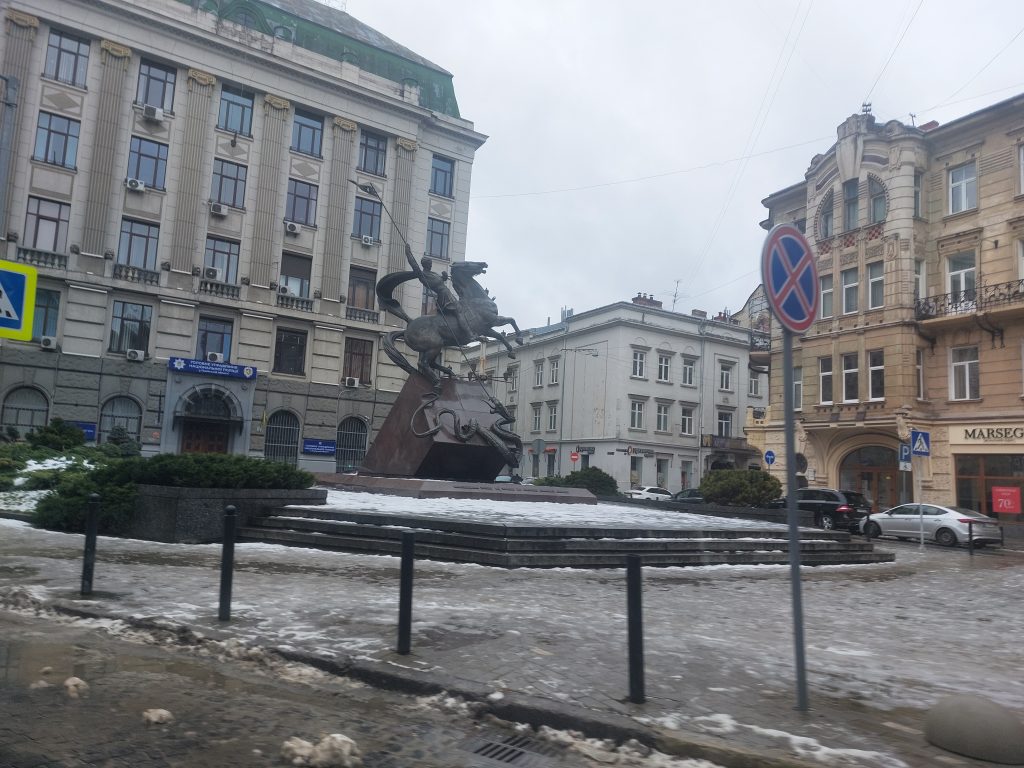
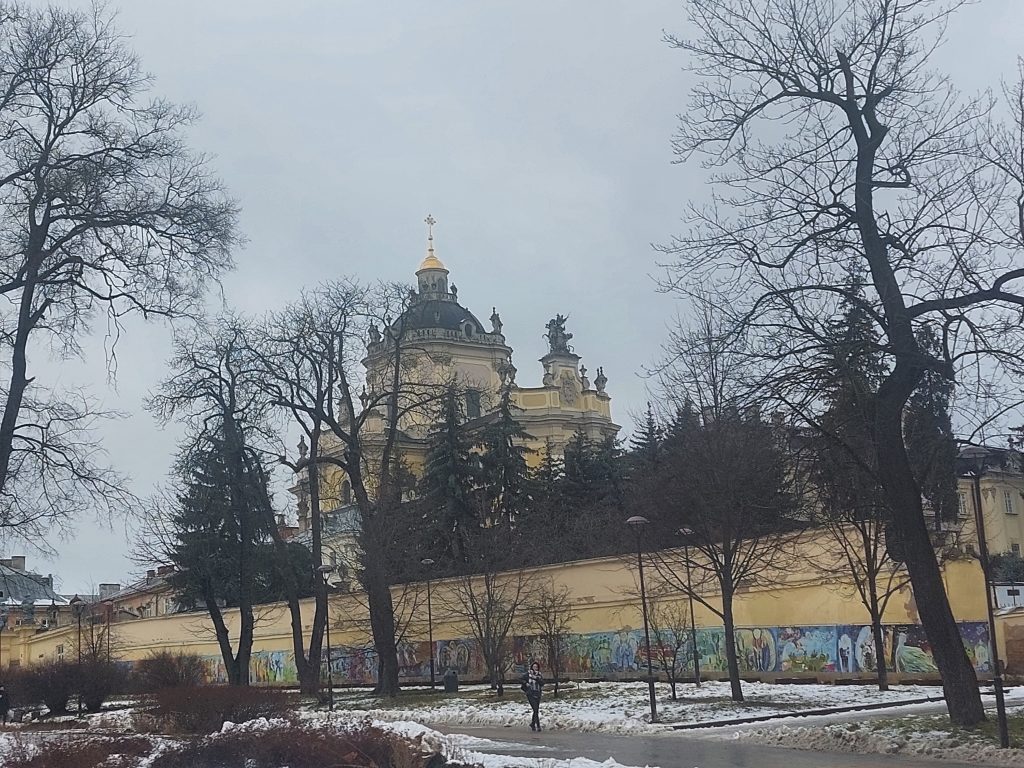
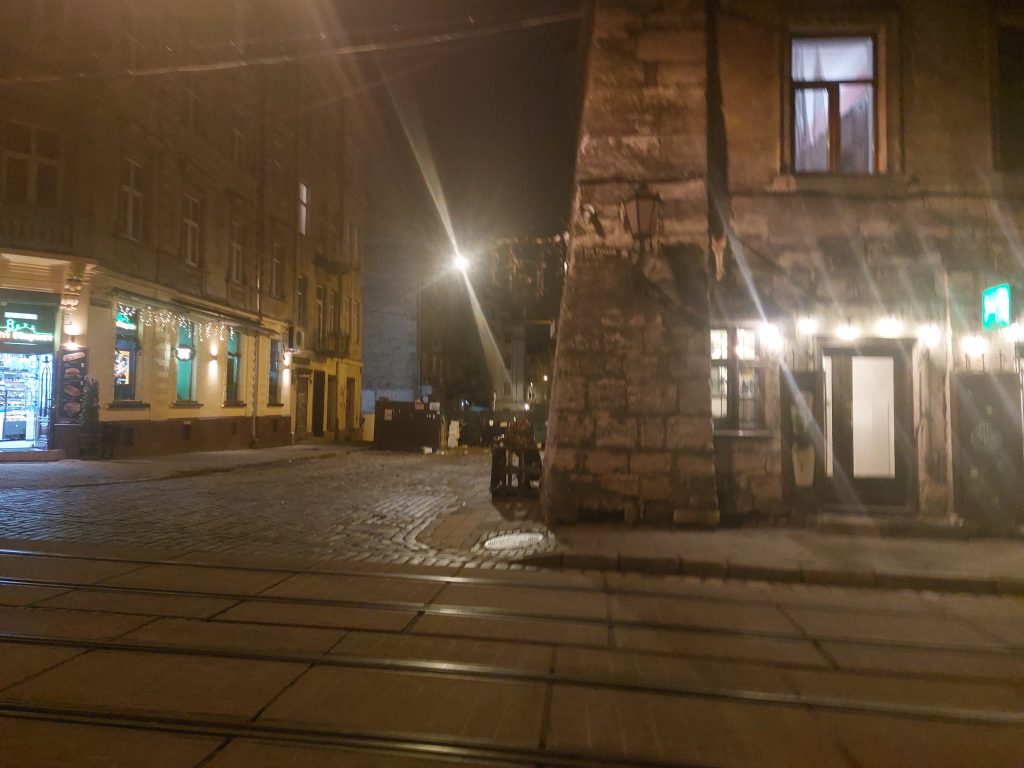
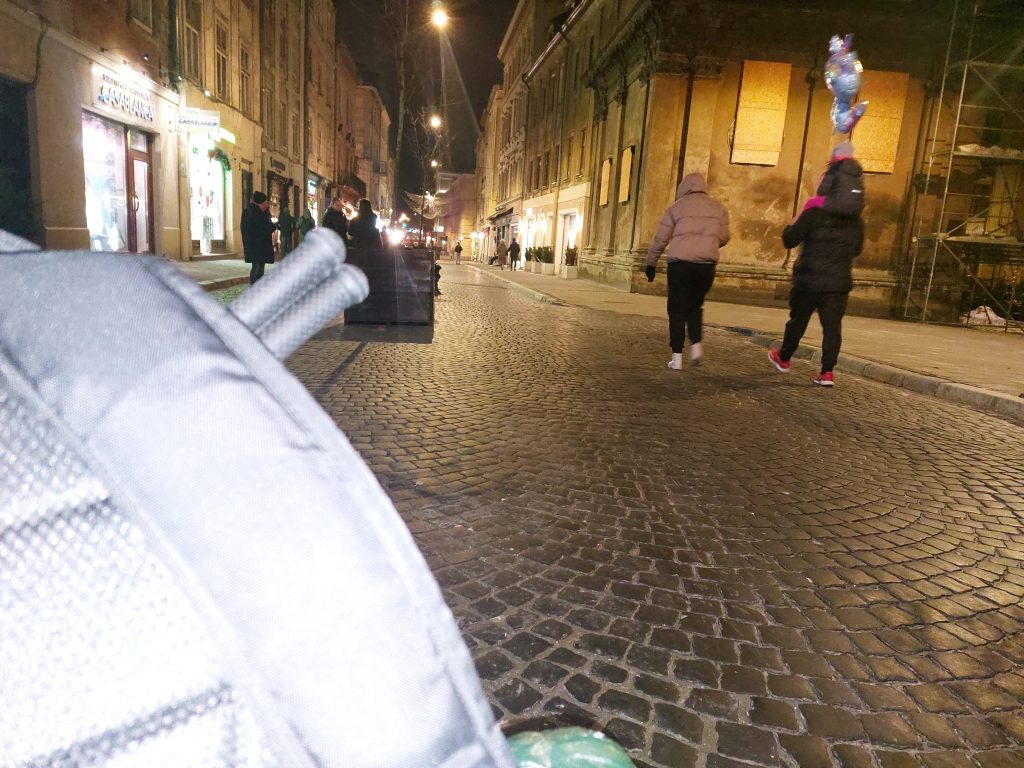
Lviv is a popular tourist destination, attracting visitors with its well-preserved historic architecture, charming cobblestone streets, and lively atmosphere. In addition to exploring the city’s landmarks and museums, tourists can take guided tours, attend cultural events, or simply wander through its picturesque neighborhoods.
Enjoyable aspects of Lviv
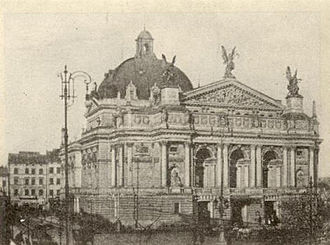
The following are a few of the fun things you can experience in Lviv. The city’s dynamic atmosphere and diverse attractions ensure that there’s something for everyone to enjoy.
Coffee Culture – Lviv is often referred to as the “coffee capital” of Ukraine. The city boasts numerous cozy cafes where you can enjoy a rich cup of coffee while soaking in the ambiance of Lviv’s historic streets. Coffeehouses like Lviv Handmade Chocolate offer not only delicious coffee but also delectable chocolates and desserts.
Street Performers – Walking through Lviv’s Old Town, you are likely to encounter talented street performers showcasing their skills. From musicians and dancers to artists and magicians, these performers add to the city’s vibrant atmosphere and provide impromptu entertainment for locals and tourists alike.
Pysanka Museum – Lviv is home to the Museum of Folk Architecture and Rural Life, which includes a unique exhibit dedicated to pysanky, traditional Ukrainian Easter eggs. These intricately decorated eggs are beautifully crafted and offer insight into Ukrainian folk art and traditions.
Lviv Handicrafts Market – If you are interested in handmade crafts and souvenirs, be sure to visit the Lviv Handicrafts Market. Here, local artisans sell a wide range of goods, including embroidered clothing, ceramics, wooden carvings, and jewelry. It is a great place to find unique gifts and support local artists.
Ghost Tours – Lviv’s rich history and medieval architecture make it the perfect setting for ghost tours and spooky storytelling. Joining a guided ghost tour of the city’s dark alleys and hidden corners is a thrilling way to learn about Lviv’s haunted past and legends.
Escape Rooms – Lviv has a thriving escape room scene, with a variety of themed rooms to challenge your problem-solving skills. Whether you’re solving mysteries, escaping from a dungeon, or unraveling historical puzzles, these escape rooms provide an exciting and interactive way to spend time with friends or family.
Rooftop Bars – For breathtaking views of Lviv’s skyline, head to one of the city’s rooftop bars or cafes. Places like House of Legends offer not only panoramic views but also quirky decor and delicious cocktails, making for a memorable evening out.
xxx
XXX