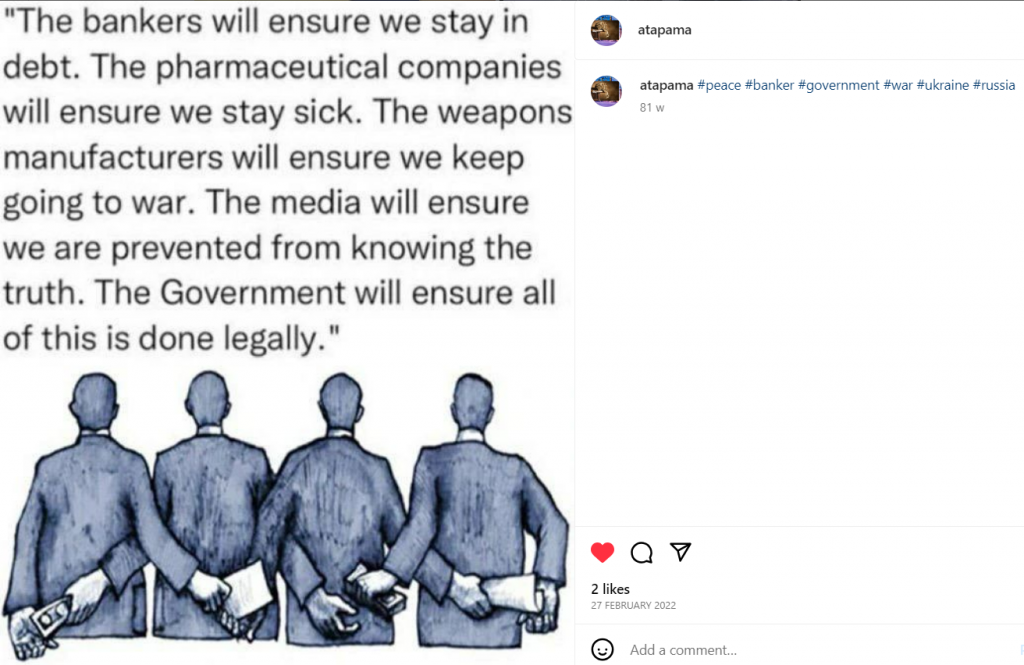
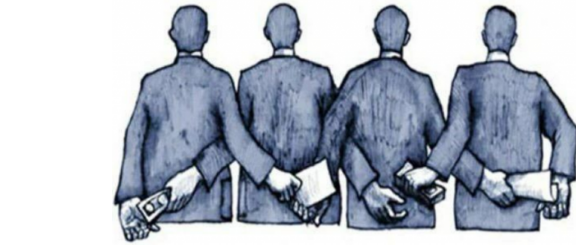
Legal. “All legal” doesn’t always mean “all ethical.” This idea sits at the heart of a growing public frustration with modern systems of power. Banks profit from debt, pharmaceutical companies thrive on long-term treatment rather than cures, weapons manufacturers benefit from endless conflict, media outlets shape narratives instead of revealing truths, and governments provide the legal framework that keeps the entire machine running smoothly.
Each part operates within the law, yet together they create a cycle that feels impossible to escape. Debt becomes normal. Illness becomes an industry. War becomes business. Information becomes selective. Legality becomes a shield, not a moral compass.
The unsettling realization is not that these systems exist, but that they are efficient. They don’t rely on chaos, they rely on rules, contracts, policies, and compliance. Everything is signed, stamped, approved, and justified.
This perspective doesn’t claim a hidden villain pulling strings in secret rooms. Instead, it points to a structure where incentives reward outcomes that benefit institutions more than people. The system isn’t broken, it’s working exactly as designed.
X