Law, diplomacy, and politics form a dynamic triad that shapes societies and governs interactions on both national and international stages. Each element influences the others, creating a complex framework that balances power, justice, and cooperation.
Le droit, la diplomatie et la politique forment une triade dynamique qui façonne les sociétés et régit les interactions sur les scènes nationale et internationale. Chaque élément influence les autres, créant un cadre complexe qui équilibre pouvoir, justice et coopération.
x
Prawo, dyplomacja i polityka tworzą dynamiczną triadę, która kształtuje społeczeństwa i reguluje interakcje zarówno na szczeblu krajowym, jak i międzynarodowym. Każdy element wpływa na pozostałe, tworząc złożone ramy, które równoważą władzę, sprawiedliwość i współpracę.
x
Закон, дипломатия и политика образуют динамичную триаду, которая формирует общества и регулирует взаимодействия как на национальной, так и на международной арене. Каждый элемент влияет на другие, создавая сложную структуру, которая уравновешивает власть, справедливость и сотрудничество.
x
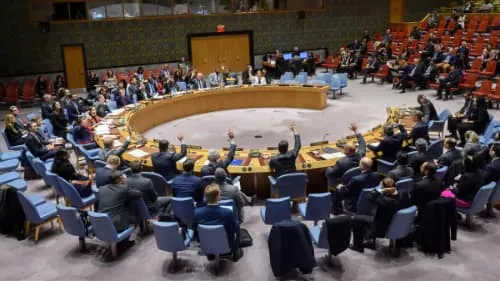
Law serves as the backbone of order, providing rules that regulate behavior and resolve disputes. It is the codified expression of a society’s values, ensuring stability and accountability. In politics, laws legitimize governance, from constitutions that define state authority to statutes that address citizens’ rights. Internationally, treaties and conventions—such as the United Nations Charter—establish legal norms that guide state behavior, reflecting the intersection of law with diplomacy.
Diplomacy, the art of negotiation and dialogue, acts as a bridge between nations. It operates within legal frameworks but often navigates the gray areas where laws are ambiguous or unenforceable. Diplomats leverage tact and strategy to prevent conflicts, secure alliances, or mediate disputes, all while respecting—or sometimes bending—international law. For instance, the Vienna Convention on Diplomatic Relations (1961) codifies diplomatic immunity, yet its application often hinges on political goodwill.
Politics, the arena of power and decision-making, drives both law and diplomacy. It determines who makes the laws and how they are enforced, while also shaping diplomatic priorities. Political leaders use law as a tool to consolidate authority or advance agendas, as seen in landmark legislation like civil rights acts or trade agreements. Conversely, diplomacy can temper political ambitions, fostering compromise over confrontation—think of Cold War détente or modern climate accords.
The synergy of these forces is evident in history. Figures like Tom Mboya and Dedan Kimathi blended political activism with legal advocacy to challenge colonial rule, while modern leaders use diplomacy to navigate global crises like trade wars or pandemics. Yet, tensions arise when politics overrides law (e.g., authoritarian regimes) or when diplomacy fails to uphold justice (e.g., unenforced human rights treaties).
In essence, the law provides structure, diplomacy ensures dialogue, and politics supplies the will to act. Together, they form a delicate dance—one where harmony is rare but essential for progress. As the saying goes, “Code is Law,” but only when politics and diplomacy align to breathe life into it.
XXX