
Ulcers refer to open sores that develop on the internal organs, skin, or mucous membranes.
The most common types of ulcers include peptic ulcers (which occur in the stomach or the first part of the small intestine, the duodenum) and oral ulcers (commonly known as canker sores).
Ulcers can vary in size and severity, and their symptoms may include pain, burning sensations, or discomfort in the affected area. The treatment of ulcers depends on their type and cause. In some cases, treatment may include antibiotics (for bacterial infections), medications to reduce stomach acid (for peptic ulcers), and wound care for skin ulcers. It’s essential to seek medical attention for ulcers, as they can become infected and lead to complications if left untreated.
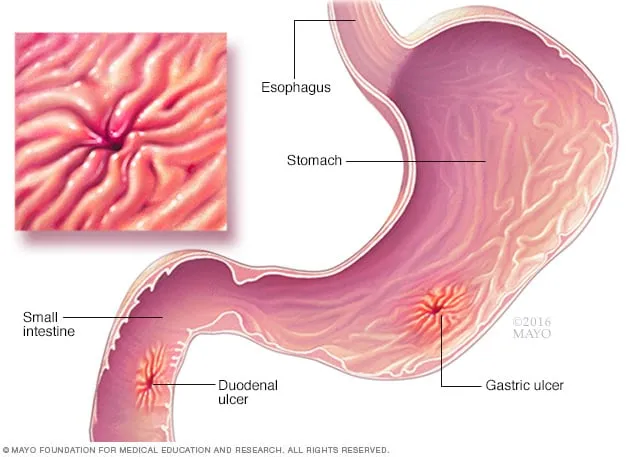
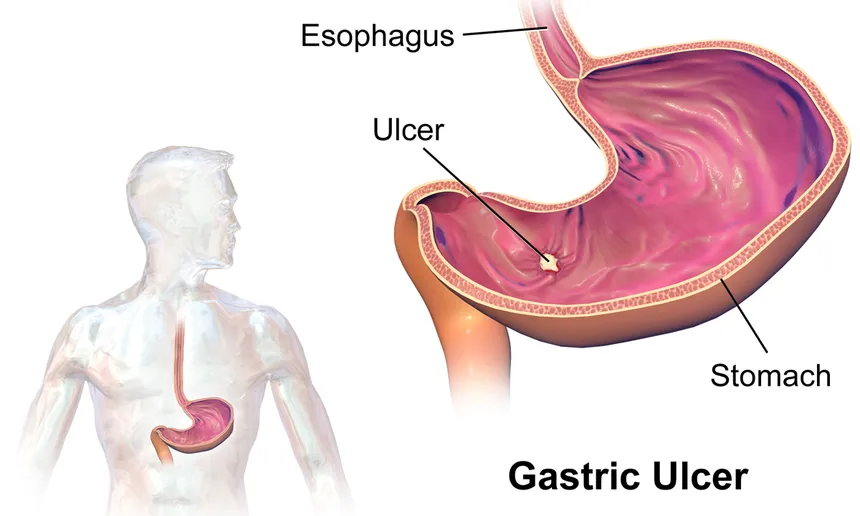
Peptic ulcers are often associated with the bacterium Helicobacter pylori or the use of non-steroidal anti-inflammatory drugs (NSAIDs). Ulcers in the stomach or duodenum are known as gastric ulcers or duodenal ulcers, respectively.
It is essential to understand that appetite loss and hair loss can be caused by various factors, including physical and psychological issues.
If you or someone you know is experiencing significant appetite loss, hair loss, or any symptoms related to ulcers or other medical conditions, it is important to consult with a healthcare professional for a proper diagnosis and treatment. Treating the underlying condition, such as ulcers, can often help resolve these symptoms.
Ulcers are open sores or lesions that can develop on the skin, mucous membranes, or internal organs. There are different types of ulcers, each with its own characteristics and causes. The most common types of ulcers include:
- Peptic Ulcers – These are sores that form on the inside lining of the stomach (gastric ulcers) or the first part of the small intestine (duodenal ulcers). Peptic ulcers are often associated with the bacterium Helicobacter pylori or the use of non-steroidal anti-inflammatory drugs (NSAIDs).
- Oral Ulcers – Also known as canker sores or aphthous ulcers, these are small, painful sores that can develop on the inside of the mouth, including the gums, cheeks, lips, and tongue. They are often caused by local trauma, stress, or certain foods.
- Venous Ulcers – These ulcers typically occur in the lower legs and are often associated with poor blood circulation. They are more common in individuals with conditions like venous insufficiency and deep vein thrombosis.
- Arterial Ulcers – Arterial ulcers are typically found on the feet and lower extremities and are associated with poor blood flow due to arterial insufficiency. They are often seen in individuals with peripheral artery disease (PAD).
- Pressure Ulcers – Also known as bedsores or pressure sores, these ulcers develop when there is prolonged pressure or friction on the skin, often in people with limited mobility or those who are bedridden.
- Corneal Ulcers: These are ulcers that develop on the cornea of the eye and can result from infections, injuries, or other underlying eye conditions.
Canker sores, also known as aphthous ulcers, are a common form of mouth ulcers that appear as a painful white or yellow ulcer surrounded by a bright red area. They can be triggered by emotional stress, dietary deficiencies, menstrual periods, hormonal changes, food allergies, or trauma in the mouth. Canker sores usually heal without treatment within two weeks. They are not contagious, unlike fever blisters caused by the herpes simplex virus, which are highly contagious.1 Canker sores usually appear on or under the tongue and on the inside of the cheeks and lips. They usually start appearing between the ages of 10 and 20, although they can happen at any time in a person’s life.
Losing appetite and hair can be related to various factors, but they are not direct symptoms of ulcers. However, ulcers can indirectly contribute to these issues in some cases:
Appetite Loss
- Pain and Discomfort: Ulcers can cause abdominal pain or discomfort, especially after eating. This can lead to a reduced appetite as individuals may avoid eating to avoid the pain.
- Nausea and Vomiting: Some people with ulcers may experience nausea or vomiting, further impacting their desire to eat.
Hair Loss
- Stress and Anxiety: Chronic stress, anxiety, and pain associated with ulcers can lead to hair loss. Stress-induced hair loss is a condition known as telogen effluvium.
- Nutritional Deficiencies: If a person’s appetite is reduced due to ulcers and they are not getting adequate nutrition, it can lead to hair loss over time. Hair health is closely related to overall nutritional status.
XXX