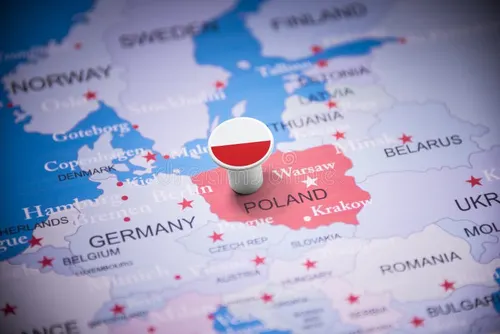
In this topic, you can explore the multifaceted beauty of Poland, delving into its rich historical tapestry, warm hospitality, diverse landscapes, cultural contributions, delectable cuisine, vibrant cities, festive traditions, educational achievements, and poignant reminders of the past, all of which contribute to the nation’s pride and resilience. These aspects collectively contribute to the charm and appeal of Poland, making it a country that many people find lovely and worth exploring.
This topic allows for a comprehensive exploration of what makes Poland a truly enchanting and captivating destination.
Poland is a country rich in history, culture, and natural beauty, offering a variety of aspects that make it a lovely place.
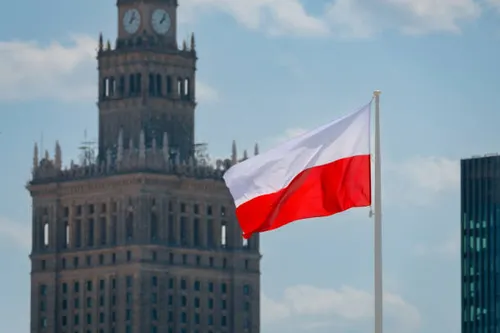
Reasons to love Poland
- Historical Richness: Poland has a deep and fascinating history, marked by medieval castles, Renaissance architecture, and a resilient spirit in the face of challenges. The Old Towns of cities like Krakow and Warsaw are UNESCO World Heritage Sites, preserving the nation’s historical heritage.
- Warm Hospitality: Polish people are known for their warmth and hospitality. Visitors often experience a friendly and welcoming atmosphere, with locals proud to share their culture and traditions.
- Scenic Landscapes: Poland boasts diverse landscapes, from the picturesque Tatra Mountains to the serene Mazury Lakes. Breathtaking natural sites, including the Białowieża Forest and the Bieszczady Mountains, attract nature lovers and outdoor enthusiasts.
- Rich Cultural Heritage: Poland has made significant contributions to world culture. Renowned figures like composer Frédéric Chopin and scientist Marie Curie were of Polish descent. The country’s cultural heritage is celebrated through festivals, music, literature, and art.
- Delicious Cuisine: Polish cuisine is hearty and flavorful, featuring dishes like pierogi (dumplings), kielbasa (sausage), and bigos (hunter’s stew). Polish food reflects the country’s agricultural traditions and is a treat for those who appreciate comfort food.
- Vibrant Cities: Poland’s cities blend historical charm with modern vibrancy. Warsaw, the capital, has a mix of contemporary and reconstructed historical architecture. Krakow, with its well-preserved Old Town, is a cultural hub, while Wroclaw’s colorful market square is a sight to behold.
- Festivals and Traditions: Poland celebrates a variety of festivals and traditions throughout the year. Whether it’s the colorful and lively carnival season, the joyful Christmas markets, or traditional folk festivals, there’s always a reason for celebration.
- Educational Excellence: Poland has a strong tradition of education, with several universities known for their academic excellence. The Jagiellonian University in Krakow, for example, is one of the oldest universities in the world.
- Auschwitz-Birkenau: While not a “lovely” aspect in the conventional sense, the Auschwitz-Birkenau concentration camp stands as a powerful reminder of history and the importance of tolerance and remembrance.
- Pride and Resilience: Poland has a history of resilience, having overcome various challenges throughout the centuries. The people take pride in their nation’s history and achievements, making it a source of inspiration.
Advantages of Poland
- Economic Growth: Poland has experienced significant economic growth in recent years, making it one of the fastest-growing economies in Europe. This growth has led to improved living standards and increased opportunities.
- Strategic Location: Poland’s central location in Europe makes it a strategic hub for trade and business. It provides easy access to other European markets, contributing to its economic development.
- Cultural Heritage: Poland boasts a rich cultural heritage, with UNESCO World Heritage Sites, historic landmarks, and a vibrant arts scene. The cultural richness attracts tourists and promotes cultural exchange.
- Educational Opportunities: Poland has reputable universities and educational institutions, offering a range of programs. It attracts international students, contributing to the diversity of its academic environment.
- Natural Beauty: The country is known for its diverse and picturesque landscapes, including mountains, lakes, and forests. This natural beauty provides opportunities for outdoor activities and tourism.
- Affordable Living: Compared to many Western European countries, the cost of living in Poland is relatively affordable. This makes it an attractive destination for expatriates and international students.
- Infrastructure Development: Poland has invested in modern infrastructure, including transportation networks and telecommunications. This enhances connectivity and facilitates business activities.
- Political Stability: The country has enjoyed political stability in recent years, contributing to a favorable environment for business and economic development.
Disadvantages of Poland
- Air Quality Issues: Some urban areas in Poland, particularly during winter, experience air quality issues, mainly due to the use of coal for heating. This has raised concerns about environmental and public health.
- Bureaucracy: Like many countries, Poland has bureaucratic challenges that can slow down processes, especially in government-related matters or business transactions.
- Language Barrier: While English is increasingly spoken, especially in urban areas and among the younger population, there may still be a language barrier in certain situations, which can pose challenges for expatriates or tourists.
- High Unemployment in Some Regions: While the overall employment situation has improved, certain regions in Poland still face higher unemployment rates, leading to economic disparities.
- Limited Diversity in Some Areas: In some regions, there may be a lack of ethnic and cultural diversity, which could be a challenge for individuals seeking a more multicultural environment.
- Dependence on Coal: Poland has a significant reliance on coal for energy production. While efforts are being made to transition to cleaner sources, this dependence poses environmental challenges.
- Traffic Congestion: Major cities in Poland, such as Warsaw and Krakow, can experience traffic congestion, impacting daily commutes and transportation efficiency.
- Rural-Urban Development Disparities: There are disparities in development between rural and urban areas, with urban centers often experiencing more significant economic growth and infrastructure development.
X