Perimenopause is the transitional stage before menopause, during which hormone levels begin to fluctuate and periods may become irregular. It can last for several years and commonly affects women in their forties and fifties, although it may begin earlier.

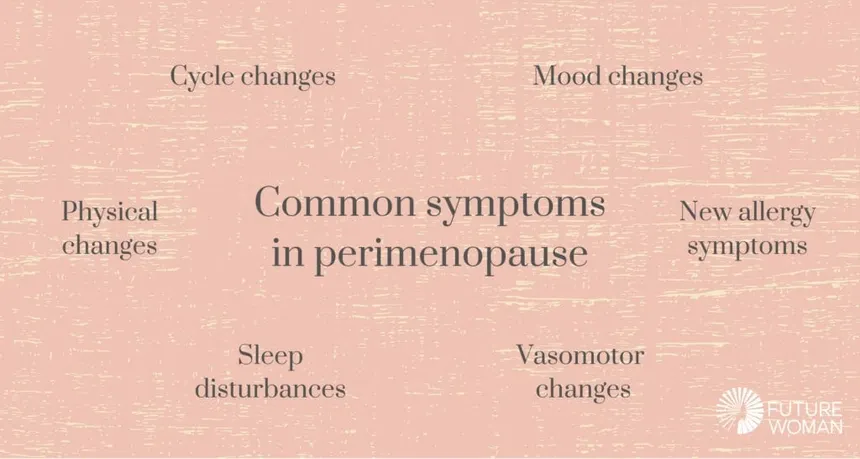
Symptoms vary widely and can include hot flushes, anxiety, fatigue, insomnia, mood changes, poor concentration, and memory difficulties, often referred to as “brain fog”.
Although perimenopause is a natural stage of life, its effects can be significant, particularly in the workplace. Many women experience reduced confidence, increased stress, and difficulties managing professional responsibilities while coping with physical and psychological symptoms. As awareness has grown, so too has the discussion of the legal responsibilities of employers and the rights of employees.
In the United Kingdom, perimenopause is not currently a protected characteristic under the Equality Act 2010. However, employees experiencing severe symptoms may still be protected under existing legislation relating to sex, age, or disability discrimination. Employment tribunals have increasingly recognised that serious menopausal symptoms can amount to a disability if they have a substantial and long-term impact on daily activities. (Local Government Association)
This means employers may have a legal duty to make “reasonable adjustments” in the workplace. Such adjustments could include flexible working hours, improved ventilation, access to rest areas, relaxed uniform policies, or additional support during periods of severe symptoms. Failure to provide appropriate support may expose employers to claims of discrimination, harassment, or unfair dismissal. (Local Government Association)
The issue also raises wider questions about equality and workplace culture. Critics argue that many organisations still treat perimenopause as a taboo subject, leading to stigma and misunderstandings. In response, professional bodies and campaigners have called for clearer legal protections and better workplace policies to support those affected.
Ultimately, the growing legal attention surrounding perimenopause reflects a broader recognition that women’s health issues should not be ignored in modern employment practices. A supportive and informed workplace benefits not only employees but also organisations seeking to retain experienced and skilled staff.
X