
Kaba Classic Action ⚖️
a) Kaba Procurement diligently manages what to buy and from whom.
b) Kaba Logistics efficiently determines how to move and store the items.
c) Kaba Supplies effectively ensures the actual goods being procured and transported are indeed provided.
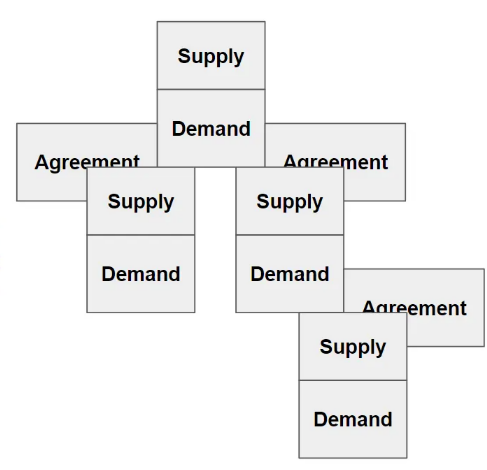
In the fast-paced world of business, where efficiency and reliability are paramount, the role of law is essential. Legal frameworks provide the structure and protection needed to navigate complex operations, ensuring smooth processes and minimizing risks. For a business specializing in procurement, logistics, and supplies, integrating legal principles into daily operations is a strategic advantage that drives success.
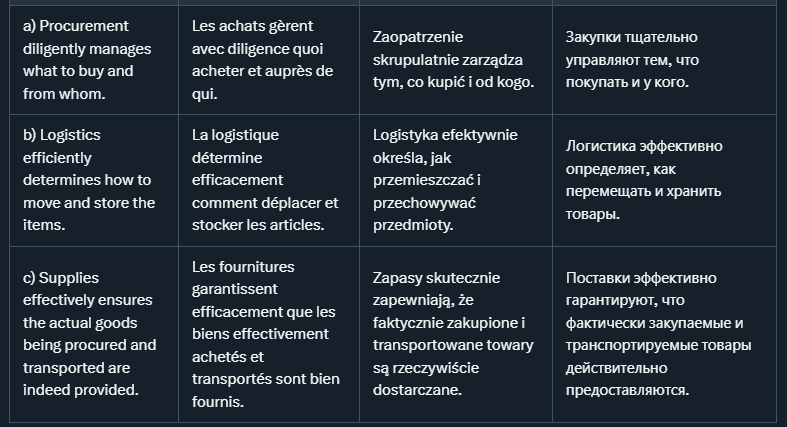
Our business excels in Procurement, diligently managing what to buy and from whom. This process involves negotiating contracts, evaluating vendor reliability, and ensuring compliance with international trade regulations. Legal expertise plays a critical role here by ensuring that procurement contracts are robust and enforceable. For example, by including clear terms on pricing, delivery timelines, and quality standards, we reduce the risk of vendor disputes. Additionally, a strong understanding of import/export laws ensures that our global sourcing adheres to regulations, preventing costly penalties or delays that could disrupt operations.
Logistics, the next critical component, efficiently determines how to move and store items. This stage presents numerous legal considerations, from transportation regulations to warehouse safety standards. By leveraging legal frameworks, we ensure compliance with both local and international shipping laws, such as customs requirements and freight carrier agreements. For instance, understanding liability clauses in logistics contracts protects us from financial losses if goods are damaged during transit. Furthermore, adhering to labor laws in our warehousing operations ensures a safe and compliant working environment, which in turn boosts operational efficiency and employee morale.
Finally, our Supplies division effectively ensures that the actual goods being procured and transported are delivered as promised to our clients. This step demands precision, as any discrepancy can lead to client dissatisfaction or legal challenges. Legal tools such as quality assurance agreements and delivery verification processes help us maintain high standards. For example, incorporating penalty clauses for non-delivery or defective goods in our contracts holds suppliers accountable while protecting our reputation. Additionally, a thorough understanding of consumer protection laws ensures that our supply chain practices meet ethical and legal standards, fostering trust with our clients.

In our business, the law serves as a foundation for operational excellence. It transforms potential challenges—such as vendor disputes, regulatory fines, or delivery failures—into opportunities for growth and reliability. By embedding legal principles into our procurement, logistics, and supply processes, we not only safeguard our operations but also position ourselves as a trusted partner in the industry. For any business operating in these areas, harnessing the power of law is a critical step toward achieving sustainable success.
x