The Replaceable Worker | Homo Substituibilis.
When loyalty fades, and the workplace becomes transactional.
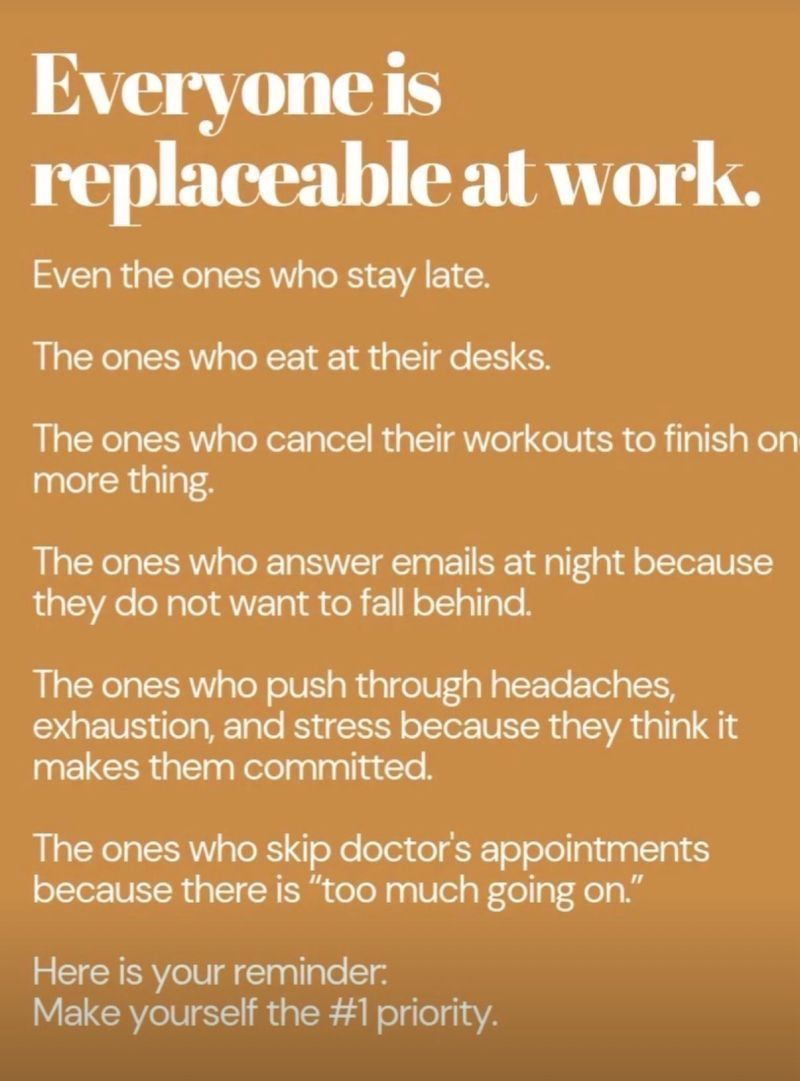
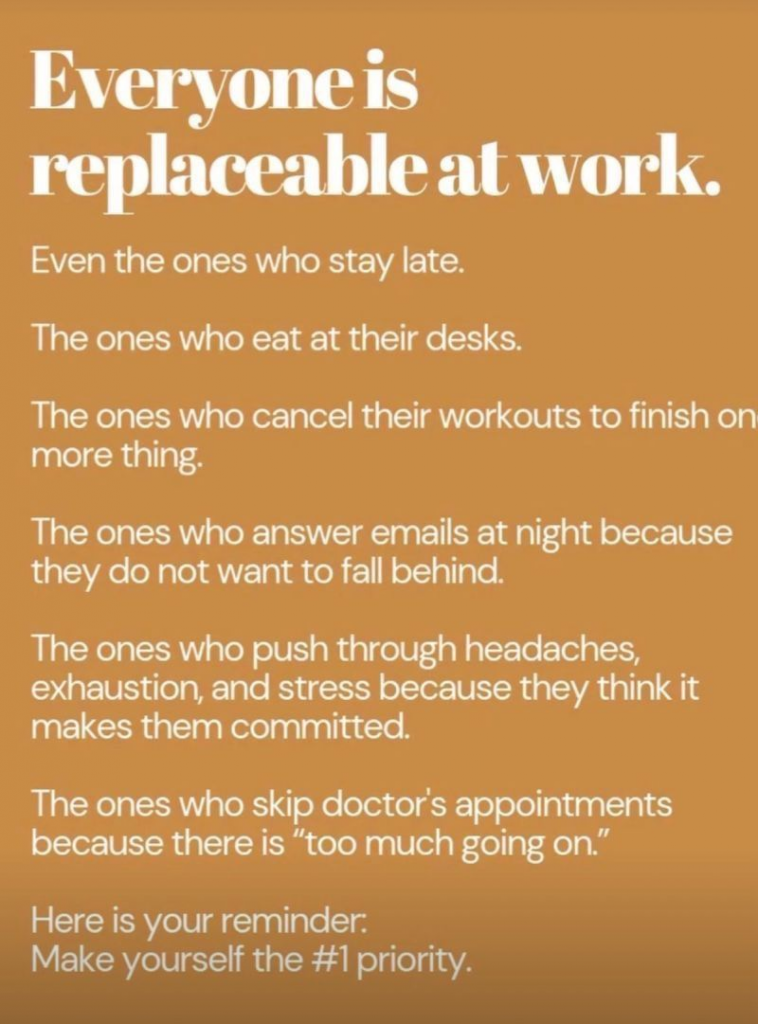
In many modern workplaces, there is an unspoken understanding that no individual is indispensable. While this may reflect organisational efficiency and adaptability, it often reshapes employees’ perceptions of their value and security. The idea that everyone is replaceable can quietly influence behaviour, morale, and even identity.
For employees, this mindset can lead to a persistent sense of instability. When people believe they can be easily replaced, they may feel less inclined to invest emotionally in their roles. Loyalty becomes conditional rather than assumed. Over time, this can erode trust between staff and management, creating a culture where self-preservation takes precedence over collaboration.
On the other hand, employers may argue that replaceability ensures resilience. Businesses must adapt to changing markets, and flexibility in staffing can be essential for survival. However, when this principle is applied without care, it risks reducing individuals to mere functions rather than recognising their unique contributions. A workforce that feels undervalued may ultimately become disengaged, leading to reduced productivity and higher turnover.

There is also a psychological toll. Employees who internalise the belief that they are easily replaceable may experience increased anxiety and decreased job satisfaction. This can spill over into their personal lives, affecting well-being and long-term career confidence. The absence of perceived security can discourage innovation, as individuals may avoid risks that could expose them to criticism or dismissal.
At a broader level, the notion of replaceability reflects a shift towards transactional relationships in professional environments. Where once long-term commitment was rewarded with stability, there is now a greater emphasis on performance metrics and immediate results. This recalibration changes how people define success and belonging within an organisation.
From a legal perspective, both employers and employees need to understand that while roles may be replaceable, rights are not. Employment law in most jurisdictions provides protections against unfair dismissal, discrimination, and breaches of contract. Employees should ensure that their contracts clearly define terms of termination, notice periods, and redundancy conditions. Employers, in turn, must follow due process and act within statutory frameworks when making staffing decisions.
As a practical takeaway, individuals should document their contributions, maintain awareness of their contractual rights, and seek advice if they suspect unfair treatment. Employers should be mindful that lawful conduct alone does not guarantee a healthy workplace culture. Balancing operational flexibility with fair treatment is not only a legal obligation but also a strategic necessity.
We sit at desks that bear no names,
Our work survives, but not our claims,
A quiet truth the silence tells,
No one stays, no one dwells.
Yet in the hours we give away,
There lives a mark that time will stay,
Replace the hands, replace the face,
But not the echoes we embrace.
Мы за столами без имён,
Где труд живёт, но стёрт закон,
Там шёпот истины звучит,
Никто не вечен, всё молчит.
Но в каждом дне, в трудах простых,
Останется наш след живых,
Пусть сменят лица, руки, дни,
Но не исчезнут мы внутри.





XXX