
Child-free by Choice – Reasons are plenty.
Choosing a child-free life is a personal decision that individuals or couples make for various reasons. The decision to be child-free is highly personal and varies widely among individuals and couples. It is a choice that should be respected, and people may find fulfillment and happiness in diverse ways beyond the traditional family structure. This decision is often shaped by combining lifestyle preferences, values, and circumstances.
The following list highlights the reasons and lifestyle of those who are child-free by choice:
- Personal Freedom – Many individuals value the freedom and flexibility of not having children. They enjoy the ability to travel, pursue personal interests, and make spontaneous decisions without the responsibilities that parenting entails.
- Career Focus – Some people prioritize their careers and professional ambitions, and having children might conflict with their dedication to work. The time and energy required for parenting may be redirected toward achieving professional goals.
- Financial Considerations – Raising children can be expensive, and some individuals or couples choose to remain child-free to maintain financial stability. Without the costs associated with childcare, education, and other child-related expenses, they can allocate resources differently.
- Environmental Concerns – There is a growing awareness of environmental issues, and some people decide not to have children due to concerns about overpopulation and the ecological impact of raising a family.
- Health and Well-being – Personal health considerations, whether physical or mental, can influence the decision to remain child-free. Some individuals may have health conditions that make parenting challenging, while others prioritize their mental and emotional well-being.
- Global Issues – Concerns about the state of the world, such as political instability, economic challenges, or global conflicts, can impact the decision to bring children into the world. Some may feel uncertain about the future and choose not to expose potential offspring to these uncertainties.
- Fulfillment in Other Relationships – Individuals may find deep fulfillment in relationships with partners, friends, or extended family. The idea of parenthood might not be the primary source of fulfillment for them, and they derive joy and satisfaction from other connections.
- Social or Cultural Factors – Cultural shifts and changing societal norms have led to greater acceptance of diverse life choices. People today have more freedom to decide whether or not to have children without facing the same societal expectations as in the past.
- Lack of Parental Instinct – Not everyone feels a strong parental instinct or desire to raise children. Some individuals simply do not experience the inherent drive to become parents and find contentment in alternative lifestyles.
- Contributions in Other Ways – Child-free individuals often contribute to their communities, professions, or causes in meaningful ways. They may see their impact on the world through avenues other than parenting.
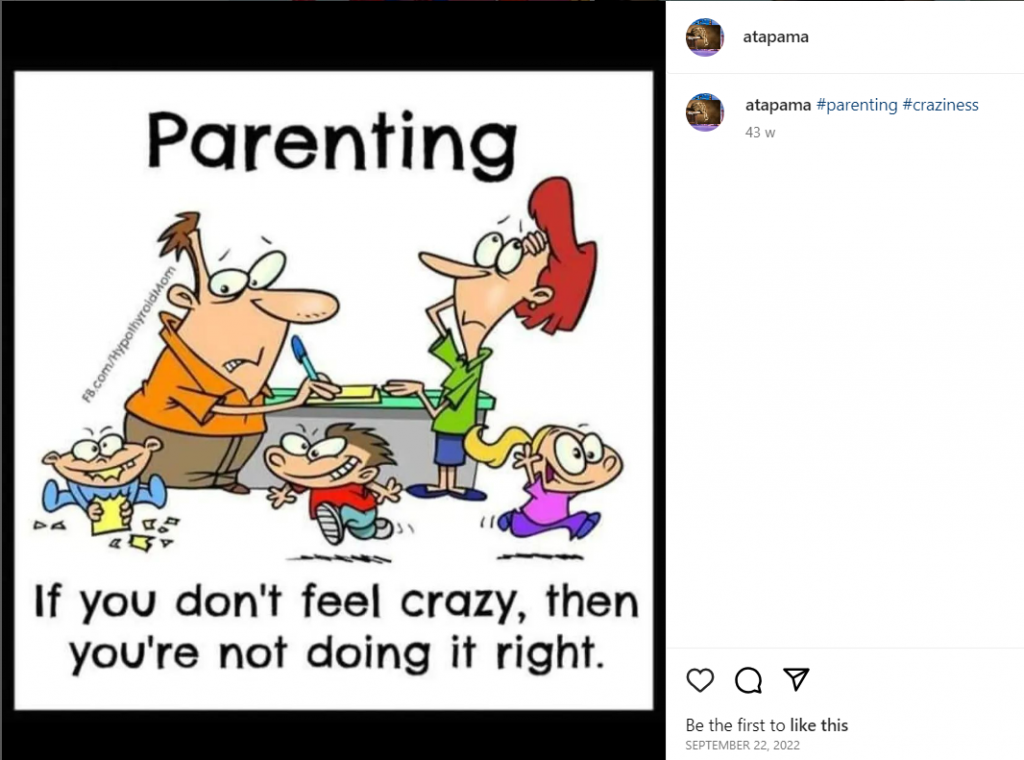
Are YOU judged for not having children?
WHY ARE WOMEN JUDGED FOR NOT HAVING CHILDREN?
Why are women who don’t have children still so judged?
As a 70-year-old involuntarily childless woman, I can only say that the chasm between mothers and childless women has always been there – and it only gets wider as mothers become grandmothers. I find it beyond belief that women are told to “get over it”. Are women who suffer miscarriages given the same advice? My grief is always with me, and it is only in the last few years that I have not wept on Mother’s Day.
Nicola Slawson (The chasm between mothers and childless women is widening, 7 April) says that the real culprit is the patriarchy, but the truth is that I have found men more willing to talk to me about my childlessness. The sisterhood still seems to measure you on your status as a mother, not on your intrinsic value as a woman. Very few women have ever discussed my childlessness with me. Too often in life, the subject of grief and loss is avoided. However, everyone experiences it at some point. Maybe a little more empathy about this particular loss would not go amiss.
Name and address supplied
Yes, there is the feeling that if you’re a woman and childless, you’ve not fulfilled your allotted role in life. After I got married at 28 and didn’t immediately start a family, other people assumed that I didn’t want children. It wasn’t worth contradicting them. It was certainly a shock to many when I became pregnant with our daughter at 39. I had finally “done the right thing”.
I think I’ve always known not to ask if someone is a parent – I guess I’m not that nosy. However, I am now painfully aware that it’s no-no. Our daughter was diagnosed with leukaemia at the age of 11. She died just after her 15th birthday.
A pub that we visit regularly is in a holiday resort – the kind of place where people like to engage you in conversation. The inevitable question nearly always arises. Do we lie and say our daughter is with her grandma or do we drop the bombshell and tell the truth? It’s a conversation killer, but maybe it’s a way of teaching people that you should never ask whether someone has children.
There are many, many reasons why the answer may be no, and giving that answer is painful. We also always end up feeling guilty for making the person who asked the question feel uncomfortable, then wonder why we are.
Helen Osborne
Beeston, Nottingham
Maybe I am lucky, but there has never been a chasm between me and my friends who are mothers. Quite the opposite, in fact. I love them and I adore their children. And they, for their part, are glad of a childless friend who gives them something that they don’t get from their friends who are also mothers.
Also, it’s healthy for children to have adults in their lives who aren’t parents – they see us as bigger versions of children because we don’t give off a parent vibe. And we’re role models – showing that you can be childless and happy, which I’d like to assure your young readers they can be.
Laura Marcus
Leek, Staffordshire
The only mention made of men in Nicola Slawson’s article is in connection with the patriarchy – which judges and shames us for our choices. But wasn’t that the whole point of the piece? That childlessness is often not a choice. Childless women find themselves agonising over their inability to conceive, and that’s a tragedy. But spare a thought for the thousands of men who are desperate to become fathers, but discover that they or their partners are infertile. Who do they turn to? Who will empathise with them? It’s time we included men in this conversation.
Lindsay Cullen
Meerbusch, Germany
Childless wives reveal how ‘nosey’ people tell them they’re selfish, ask if their ovaries work and warn them they’re not getting any younger
- Woman sparked outrage after asking if people ‘judge women without kids’
- The woman, from the UK, took to parenting forum Mumsnet to garner opinions
- Some people claimed they were told they ‘are selfish for not having children’
- Others revealed they would probably ‘wonder why someone didn’t have children
XXX

XXX