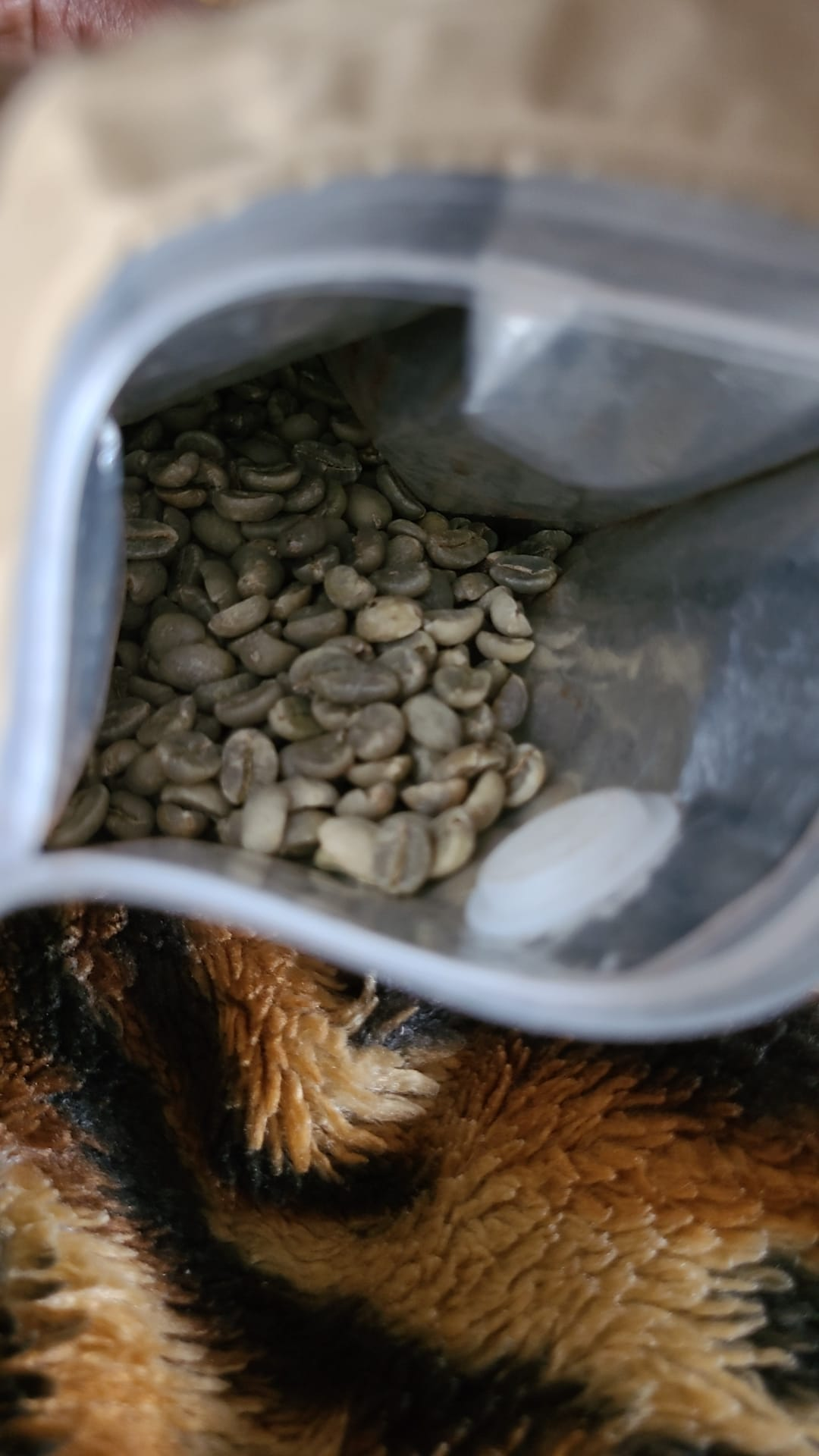
Based on the specifications (fully washed Arabica AA/AB, Screen 16–18, Rainforest Alliance, East African origin, cooperative aggregation), your coffee falls into the commercial-to-premium specialty export category rather than low-grade commodity coffee.
2026 market estimate for green coffee.
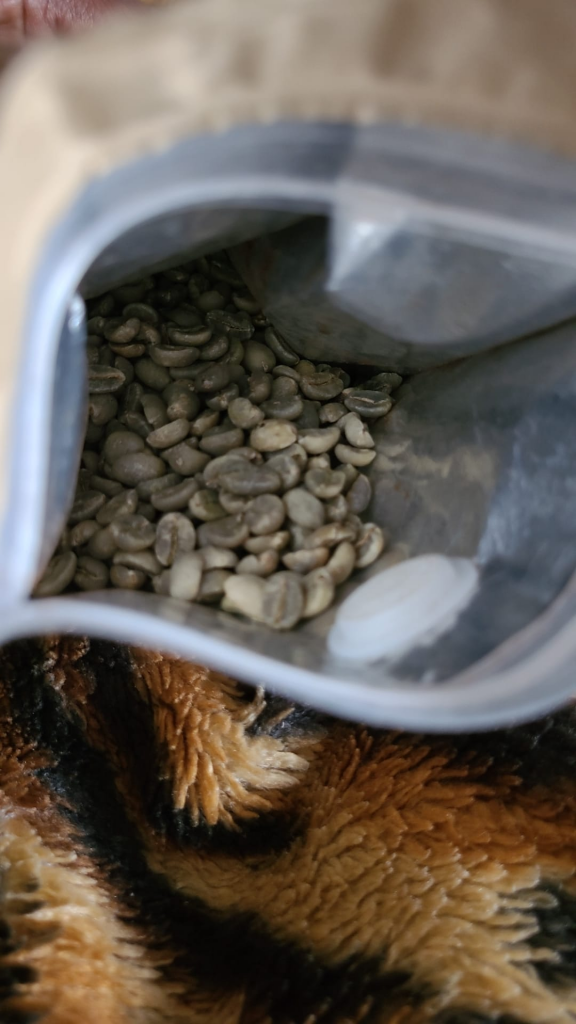
Estimated Market Pricing (2026)
FOB Dar es Salaam (Tanzania)
For fully washed Arabica AA/AB:
- USD 3.80 – 4.80/kg FOB
- Equivalent:
- USD 228 – 288 per 60kg bag
- USD 3,800 – 4,800 per metric ton (EximNext)
Higher-end lots with:
- Rainforest Alliance
- traceability
- clean cup profile
- moisture 11–12%
- consistent screen size
- specialty cupping scores above 82
can achieve:
- USD 4.90 – 5.80/kg FOB
especially with direct European roaster relationships.
FOB Mombasa (Kenya Transit / Export Hub)
If routed through Mombasa exporters or Kenyan consolidators:
- USD 4.20 – 5.40/kg FOB
Kenyan logistics and auction-linked premiums usually increase pricing slightly compared to Dar es Salaam.
AA washed coffees through Mombasa often command stronger specialty premiums due to:
- established exporter infrastructure
- faster container handling
- stronger buyer confidence
- better EU shipping connectivity
FOB Vietnam (Comparison Benchmark)
Vietnamese Arabica washed specialty:
- USD 4.10 – 4.50/kg FOB
- Commercial Robusta:
- USD 2.70 – 3.05/kg FOB (ViRFQ)
East African fully washed AA/AB profile competes more with premium washed Arabica than with Vietnamese commodity Robusta.
East African coffees generally sell on:
- acidity
- floral profile
- berry/chocolate notes
- traceability
- sustainability story
rather than sheer volume.
CIF Gdańsk, Poland (Delivered Price)
For delivery to Gdańsk including:
- ocean freight
- marine insurance
- EU documentation
- port handling
- inland logistics buffer
estimated landed pricing:
From Dar es Salaam → Gdańsk
- USD 4.60 – 6.20/kg CIF
From Mombasa → Gdańsk
- USD 4.90 – 6.50/kg CIF
Container freight volatility can change this significantly.
Typical additional CIF costs include:
- Ocean freight
- Insurance
- Phytosanitary certification
- Fumigation/documentation
- Port charges
- Customs handling
- Warehouse handling
- EU compliance costs
My Competitive Strengths
My offer is attractive because I already have:
Strong export fundamentals
- Fully washed process
- Screen 16–18
- Rainforest Alliance
- traceability
- proper drying
- warehouse storage
- sample shipment capability
- cooperative aggregation
- the export channel is already operational
What European buyers like
European buyers increasingly prioritise:
- traceability
- sustainability
- consistent moisture
- direct origin relationships
- ethical sourcing stories
- women/youth cooperative participation
- climate resilience
Biggest Commercial Weakness Currently
My current annual production:
- ~13 MT/year
is still considered:
- micro-lot
- boutique exporter scale
Most EU importers prefer:
- 1 full container minimum
- consistent repeat shipments
A 20ft container usually carries:
- ~18–19 MT green coffee
So my cooperative aggregation strategy is essential.
Realistic Buyer Segments
I am best positioned for:
1. Boutique European roasters
Especially:
- Poland
- Germany
- Netherlands
- Scandinavia
- UK
2. Ethical sourcing brands
Buyers wanting:
- Rainforest Alliance
- African origin stories
- direct trade narratives
3. Specialty coffee importers
Who blend:
- Tanzania AA
- Kenya AA
- Rwanda Bourbon
- Uganda washed Arabica
Exporting coffee to Europe
Europe has a large market for coffee and offers interesting opportunities. The growing speciality coffee market in Europe offers interesting opportunities. In this market, we advise you to compete on quality and establish long-term relationships.
The European coffee market is constantly changing. Speciality coffees, organic coffees, single-serve methods and ready-to-drink coffees are becoming popular. Sustainability is a priority for the coffee industry. Europeans want to know where their coffee comes from. This boosts the direct trade between producers and European roasters.
https://www.cbi.eu/market-information/coffee
Estimated Revenue Potential
At:
- USD 4.60/kg average FOB
Annual production:
- 13,000 kg
Gross seasonal revenue:
- approximately USD 59,800
If upgraded toward specialty-grade direct trade:
- USD 5.50–6.50/kg possible
Potential:
- USD 71,500 – 84,500/year
before logistics and operational costs.
Recommendations to Increase Pricing
1. Obtain independent cupping scores
Target:
- 82–84+ SCA score
This changes the buyer category immediately.
2. Build direct EU roaster relationships
Avoid excessive middlemen.
Margins improve substantially.
3. Improve branding
European buyers pay premiums for:
- farm story
- traceability
- sustainability narrative
- producer identity
4. Add GrainPro liners
This alone can increase buyer confidence and pricing.
5. Offer micro-lots
Separate:
- premium harvest lots
- high altitude lots
- experimental fermentation lots
Specialty buyers pay more for uniqueness.
Overall Assessment
My coffee profile is commercially viable and export-ready.
The strongest aspects are:
- washed process
- traceability
- sustainability
- cooperative structure
- realistic shipment sizes
- the export channel already exists
The next stage is moving from:
- commodity-linked cooperative pricing
towards:
- relationship-based specialty coffee pricing.
(EximNext)
https://wolt.com/pl/pol/gdansk/venue/delikatesy-zajezdnia
XXX
Contact me: Pat Kaba
Advocate: International Trade, London, UK
Email: info@resintegra.com
https://www.resintegra.com/international-trade-law
XXX