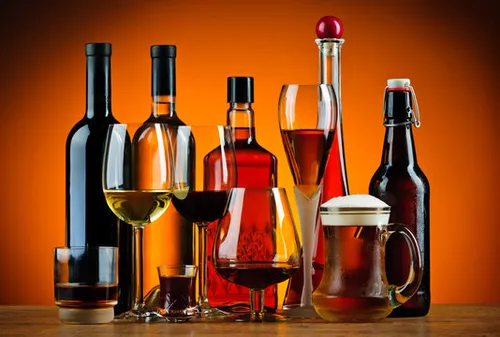
Alcohol affects individuals differently, and the psychological and emotional effects can vary based on factors such as tolerance, individual differences, and the context of use.
Additionally, the distinction between “mental” and “nostalgic” effects can be somewhat subjective, as these terms can encompass a range of experiences.
Excessive alcohol consumption can have negative consequences on physical and mental health, as well as on social relationships and professional life.
Individual responses to alcohol vary, and it is essential to drink responsibly and be mindful of one’s own limits. If you have concerns about alcohol consumption, it is advisable to seek guidance from healthcare professionals or support groups.

A general overview of the potential effects of the beverages:
- Wine
- Wine is an alcoholic beverage made from fermented grapes or other fruits. The natural sugars in the fruits are converted into alcohol by yeast during the fermentation process. The flavor, aroma, and characteristics of wine can vary significantly depending on factors such as the type of grape or fruit used, the winemaking process, and the region where the grapes are grown.
- Wines are broadly categorized into red, white, and rosé, with further distinctions based on grape varieties and production methods. Red wines typically derive their color from the skins of dark-colored grapes, while white wines are produced from fermented grape juice without skin contact. Rosé wines, possessing a pink hue, result from brief contact with grape skins.
- Wine has been an integral part of various cultures for centuries and is often associated with social, culinary, and celebratory experiences.
- Wine, like other alcoholic beverages, can have a depressant effect on the central nervous system. In moderate amounts, it may lead to relaxation and a sense of euphoria. Excessive consumption, however, can impair cognitive function, leading to confusion and impaired judgment.
- People may associate wine with special occasions, celebrations, or relaxation. The taste and aroma of wine can evoke memories and emotions tied to particular experiences.
- Vodka
- Vodka is a clear and colorless distilled spirit with a high alcohol content, typically around 40% to 50% alcohol by volume. It is made through the fermentation and distillation of grains, potatoes, or sometimes fruits and sugars. The distilled liquid is then often filtered and diluted with water before bottling.
- Vodka is known for its neutral flavor profile, lacking the distinct taste and aroma associated with other spirits like whiskey or rum. This neutrality makes vodka a versatile base for a wide range of cocktails. It originated in Eastern Europe, and today, various countries produce their own versions of vodka.
- Whether enjoyed straight, on the rocks, or as a key ingredient in mixed drinks, vodka is a popular and iconic spirit in the world of beverages.
- Vodka is a distilled spirit and, like other hard liquors, can have a rapid and potent impact on the central nervous system. It can lead to feelings of warmth, confidence, and reduced inhibition. Excessive consumption can result in impaired coordination and cognitive function.
- The association with vodka may depend on personal experiences, cultural backgrounds, and social contexts. Some may have nostalgic feelings related to celebrations or specific cultural practices.
- Beer
- Beer is one of the oldest and most widely consumed alcoholic beverages in the world. It is typically made through the fermentation of malted barley, water, hops, and yeast. The brewing process involves malting the barley to release fermentable sugars, boiling the mixture with hops to impart bitterness and aroma, fermenting the wort with yeast, and then conditioning and carbonating the beer.
- The diverse styles of beer vary in flavor, color, and alcohol content, ranging from light and crisp lagers to robust and complex stouts. Beer has been a staple in various cultures throughout history, often enjoyed socially and with meals. Its refreshing and effervescent qualities, along with the rich tapestry of flavors it offers, contribute to its global popularity.
- Beer generally has a lower alcohol content compared to spirits. Moderate beer consumption can lead to mild relaxation and a sense of well-being. Excessive consumption, however, can still result in impaired judgment and coordination.
- Beer is often associated with socializing, gatherings, and casual settings. People may have nostalgic feelings tied to the enjoyment of beer in specific environments or with particular people.
- Whisky
- Whisky, also spelled whiskey, is a distilled alcoholic beverage that is renowned for its rich and complex flavors. It is typically made from fermented grain mash, which can include barley, corn, rye, and wheat.
- The production process involves malting, mashing, fermentation, distillation, and aging in wooden casks, usually oak barrels. The aging process in particular contributes to whisky’s character, as it allows the spirit to develop distinct flavors and aromas, often influenced by the type of wood used and the duration of maturation.
- There are various types of whisky, including Scotch whisky, Bourbon, Rye, and Single Malt, each with its own unique characteristics and production regulations. Whisky is often enjoyed neat, on the rocks, or as a key ingredient in classic cocktails, reflecting its cultural significance and appreciation as a sophisticated spirit.
- Whisky, being a strong spirit, can have a powerful impact on mood and cognition. It may induce a sense of warmth, relaxation, and confidence. However, excessive consumption can lead to impaired motor skills and cognitive function.
- Whisky is often associated with tradition, craftsmanship, and certain rituals. People may have nostalgic feelings linked to the experience of sipping whisky in certain settings or with particular individuals.
- Cognac
- Cognac is a high-quality and prestigious variety of brandy that originates from the Cognac region in France. It is renowned for its exceptional craftsmanship and meticulous production process.
- Cognac is exclusively made from specific grape varieties, primarily Ugni Blanc, Folle Blanche, and Colombard. The grapes undergo fermentation, and the resulting wine is distilled twice in traditional copper pot stills. What sets Cognac apart is its aging process in French oak barrels, which imparts unique characteristics to the spirit.
- Cognac is classified based on its age, with designations such as VS (Very Special), VSOP (Very Superior Old Pale), and XO (Extra Old). These classifications indicate the minimum number of years the brandy has been aged, with XO representing the longest aging period.
- The final product is a rich and flavorful spirit with complex notes of fruit, spice, and oak. Cognac is often sipped neat or used in sophisticated cocktails, reflecting its status as a luxurious and refined beverage.
- Cognac, like whisky, is a type of brandy and can have similar effects. It may induce a sense of warmth, relaxation, and a feeling of well-being. Excessive consumption can lead to intoxication and impaired cognitive function.
- Cognac is often associated with luxury, sophistication, and special occasions. Nostalgic feelings related to cognac may be tied to celebratory moments or particular settings.
XXX