If you want to speak like a diplomat, it helps to understand the language diplomats use.
A guide to key diplomatic terms beginning with the letter C, particularly those connected to consular affairs.

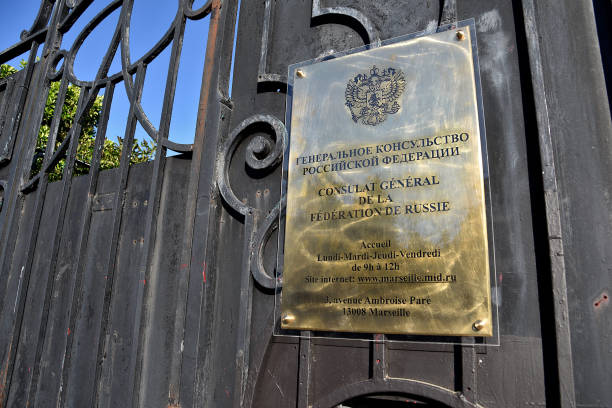
Consulate
While an embassy is usually based in a country’s capital and headed by an ambassador, a consulate operates elsewhere in the same country. Consulates support citizens abroad and provide various diplomatic services. Larger offices are known as consulates general, while smaller ones are simply called consulates.
Consular
This adjective refers to matters involving citizen services and immigration. Consular responsibilities include issuing passports, processing visas, and assisting nationals overseas. Officers working in these areas are part of a consular section.
Consul
A consul is a diplomat authorised to carry out consular duties. Ranks vary from vice consul, typically an entry-level position, to consul and consul general, the most senior title in the consular hierarchy. A consul general often leads a consulate or oversees major consular operations.
Counsel
This term relates to advice or legal representation. As a verb, it means to advise someone. Although commonly used in legal settings, it is not a diplomatic rank.
Counselor
In diplomacy, a counselor is a senior diplomat rather than simply an adviser. The title may be attached to different portfolios, such as public affairs or consular affairs. A minister counselor ranks even higher and may supervise multiple sections or offices.
Diplomatic terminology can be surprisingly nuanced. A consulate may employ many consular officers but only one chief of the section. A consul general is always a senior manager, while a counselor may hold a high-ranking diplomatic post without any direct consular responsibilities. And, in a fitting twist of language, a consul may counsel a vice consul.