Włodzimierz Czarzasty has recently become a central figure in Polish politics, following his election as Speaker of the Sejm and his continued leadership of the New Left (Nowa Lewica) party. These developments have placed him at the heart of national decision-making, sparking debate across political lines and influencing the direction of legislative priorities. Czarzasty’s rise reflects a blend of strategic political manoeuvring, long-term party leadership, and public visibility in Poland’s contemporary political landscape.
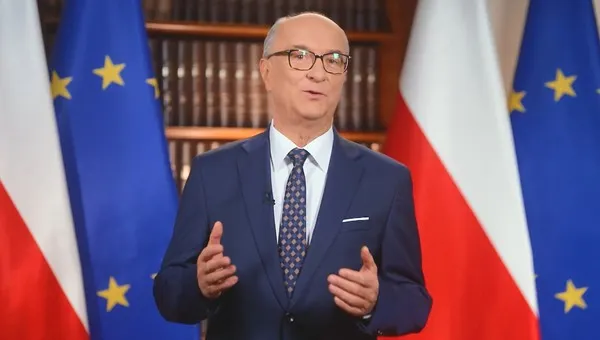
Born 3 May 1960, Czarzasty began his political career in left-wing movements during the transitional period in Poland after communism. He became actively involved in the Democratic Left Alliance (SLD), where he built a reputation as a skilled negotiator and organiser. His early work focused on party management, public engagement, and developing political strategy, positioning him as a rising figure within the left-wing bloc.
Czarzasty currently serves as co-leader of the New Left, formed from the merger of the Democratic Left Alliance and the Spring party. Under his leadership, the party has consolidated influence in parliament and local government, negotiated coalition agreements with other centre-left and progressive groups, and strengthened its stance on social issues, workers’ rights, and progressive reforms, giving the New Left a distinct identity in the national political arena.
In December 2025, Czarzasty was elected Speaker of the Sejm, replacing the previous office-holder under a coalition agreement. His appointment represents a strategic victory for the New Left within the governing coalition, increased visibility and influence over legislative agendas, parliamentary rules, and key debates, and opportunities to shape national discourse on social, economic, and political issues. His election has generated debate, with coalition members expressing cautious optimism, while opposition parties question the implications of his leadership for parliamentary impartiality and legislative priorities.
Czarzasty is known for a pragmatic approach, balancing internal party interests with broader coalition politics. Key characteristics of his political style include negotiation skills, public visibility through frequent media appearances, and a policy focus on social equity, workers’ rights, and progressive reforms while navigating Poland’s complex political landscape. His influence extends beyond parliamentary procedures to shaping public opinion and framing debates on issues such as healthcare, education, and economic policy.
While Czarzasty’s leadership has been praised by allies, it has also drawn criticism. Opposition parties have challenged his decisions on parliamentary procedure, certain media outlets and political commentators have questioned his ability to remain impartial as Speaker, and internal party debates occasionally surface, reflecting tensions between the party’s traditional base and younger, progressive members. Despite these challenges, Czarzasty has maintained a steady position, demonstrating resilience and adaptability.
Czarzasty’s current trajectory suggests that he will continue to play a major role in shaping Poland’s political future. Key aspects to watch include his influence on coalition dynamics and legislative agendas, the New Left’s performance in upcoming elections and public approval ratings, and his ability to mediate between competing interests within the Sejm while maintaining credibility as Speaker. His position allows him to leave a lasting imprint on both party politics and national legislation, making him one of Poland’s most important political figures in 2025.
Włodzimierz Czarzasty’s rise to the Speakership of the Sejm and his ongoing leadership of the New Left mark a pivotal moment in Polish politics. His pragmatic approach, negotiation skills, and public presence have strengthened his party and enhanced his influence within the coalition government. As Poland navigates legislative challenges and social change, Czarzasty’s decisions and leadership style will continue to shape the country’s political landscape.
X