📄 Legal-Financial Article
🇻🇦 Spiralis Debiti Globalis: Pericula Iuridica et Oeconomica in Aevo Incrementorum Usurarum.
🇷🇺 Мировая долговая спираль: юридические и экономические риски в эпоху роста процентных ставок.
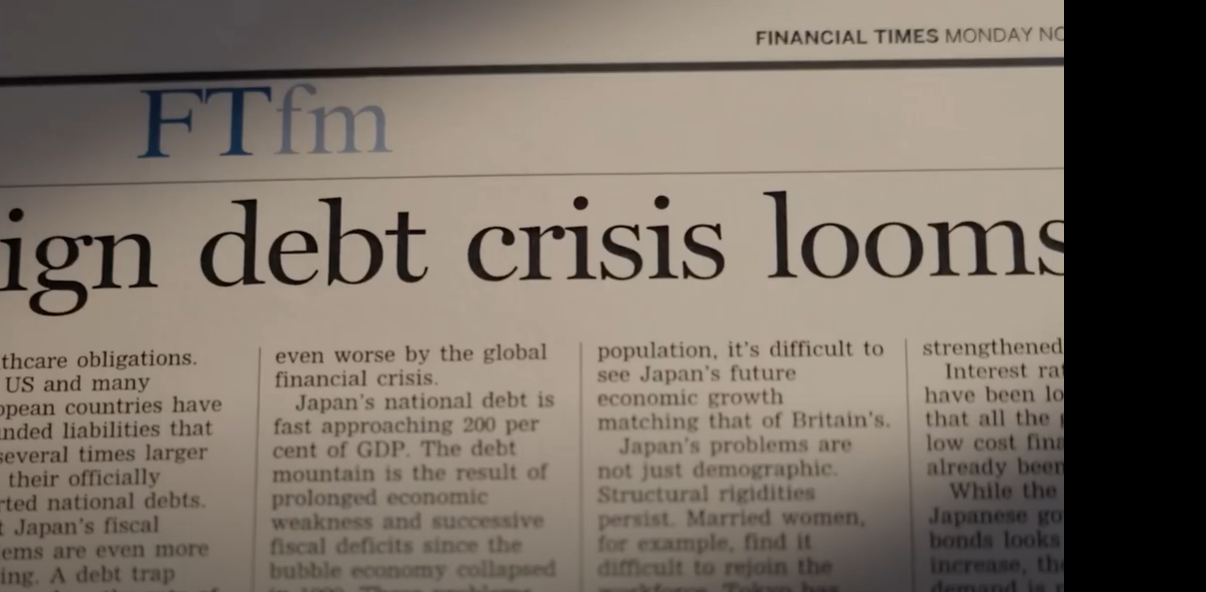
Why are developed countries drowning in debt—and what happens now that interest rates are rising? This video investigates the global debt crisis, the role of bond vigilantes, and whether government borrowing is reaching a legal and financial breaking point. From the US to Japan, the film explores how market pressures and inflation are colliding with fiscal policy.
Introduction
For decades, developed economies operated under the assumption that government borrowing could expand indefinitely, bolstered by near-zero interest rates and favorable monetary policies. However, the era of “free money” has ended. With inflationary pressures on the rise and structurally higher interest rates, sovereign debt has once again become one of the most urgent concerns in global finance.
Government Debt and Legal Constraints
Public debt is issued through government bonds, which are legally binding instruments. When interest rates were low, the legal obligation to service debt was manageable. Now, many governments face escalating interest payments that consume increasing portions of their national budgets, testing constitutional and statutory debt ceilings.
Bond Vigilantes: Market-Based Accountability
The term “bond vigilantes” refers to market participants who sell government bonds in protest of fiscal irresponsibility, driving up yields and borrowing costs. While not a legal force, they act as de facto financial regulators. Their impact was starkly seen in the UK’s 2022 market turmoil under Prime Minister Liz Truss, which forced a policy reversal in days.
International Comparisons
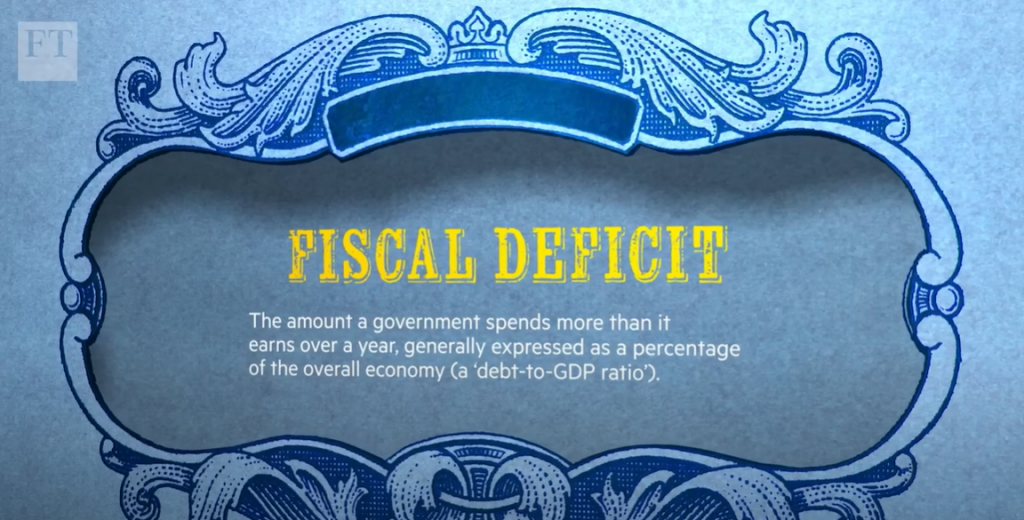
- United States: Faces political gridlock over the debt ceiling, despite ballooning obligations.
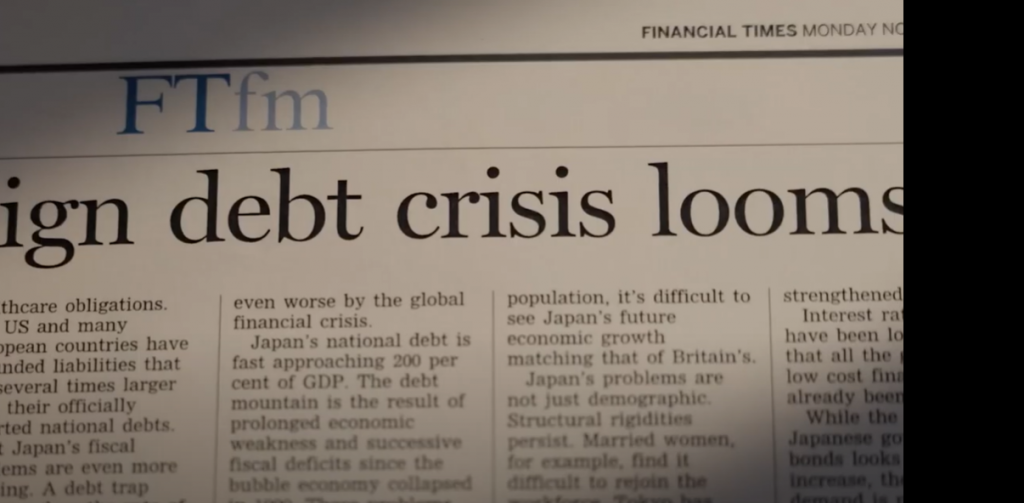
- Japan: Maintains ultra-low rates through central bank intervention, but remains vulnerable to investor sentiment shifts.
- China: Local government debt is opaque, raising legal concerns about off-balance-sheet liabilities.
- EU Nations: France, Italy, and Germany must balance domestic spending with EU fiscal rules, leading to complex legal-financial tension.
Legal Implications of Unsustainable Debt
If governments fail to meet bond obligations, even temporarily, the consequences could be catastrophic—triggering defaults, legal disputes, and systemic financial instability. The debt spiral is not just an economic issue, but a legal one: it challenges the very framework of how nations manage, limit, and account for public obligations.
Conclusion
The return of inflation and rising yields has reignited scrutiny of government borrowing practices. As investors demand discipline, the legal and financial infrastructure underpinning sovereign debt will be put to the test. Whether through fiscal reform or market correction, the era of unchecked borrowing is drawing to a close.
💰
💰
#sovereigndebt #bondmarket #государственныйдолг
💰💰💰