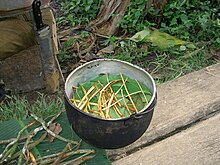
Ayahuasca is a psychoactive brew made from the Banisteriopsis caapi vine, often combined with various other plants containing dimethyltryptamine (DMT). It has been used for centuries by indigenous tribes in the Amazon rainforest region of South America for spiritual and healing purposes.
History and Cultural Background
- Ayahuasca has been a central element in the spiritual and medicinal practices of indigenous Amazonian tribes for thousands of years.
- It is often referred to as “the vine of the soul” or “the spirit vine” due to its profound effects on consciousness and spirituality.
- The brew is typically prepared by boiling the Banisteriopsis caapi vine with other plants containing DMT, such as Psychotria viridis or Diplopterys cabrerana.
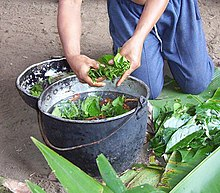
Components and Chemistry
- The primary active ingredients in Ayahuasca are beta-carboline alkaloids (such as harmine, harmaline, and tetrahydroharmine) found in the Banisteriopsis caapi vine, which act as monoamine oxidase inhibitors (MAOIs).
- These MAOIs allow DMT, a powerful psychedelic compound found in plants like Psychotria viridis, to become orally active by preventing its breakdown in the digestive system.
- The combination of MAOIs and DMT produces intense hallucinogenic effects, often described as profound visions, spiritual insights, and heightened states of consciousness.
Traditional and Therapeutic Uses
- In indigenous Amazonian cultures, Ayahuasca is used in shamanic rituals for healing, divination, spiritual exploration, and communication with the spirit world.
- It is believed to have therapeutic effects on physical, emotional, and psychological ailments, and is used to treat various conditions such as depression, addiction, trauma, and chronic illness.
- Modern research has shown promising results regarding the potential therapeutic benefits of Ayahuasca, particularly in the treatment of mental health disorders like depression, PTSD, and substance abuse.
Ayahuasca Ceremonies and Practices
- Ayahuasca ceremonies are typically conducted by experienced healers or shamans, who guide participants through the experience and provide support and guidance.
- Ceremonies often involve rituals, prayers, chants, and traditional music (such as icaros) to facilitate healing and spiritual exploration.
- Participants are encouraged to approach the experience with intention, respect, and openness, and to surrender to the healing process.
Legal Status and Controversies
- The legal status of Ayahuasca varies from country to country, with some regions allowing religious or ceremonial use under certain conditions, while others prohibit or restrict its use.
- Despite its potential therapeutic benefits, Ayahuasca is not without risks, and there have been reports of adverse reactions, psychological distress, and even fatalities associated with its use, particularly when used outside of traditional ceremonial contexts.
- The commodification and commercialization of Ayahuasca have raised concerns about cultural appropriation, sustainability, and ethical issues within the psychedelic community.
Conclusion
Ayahuasca is a powerful and complex plant medicine with deep roots in indigenous Amazonian culture. It offers profound healing and transformative potential for those who approach it with respect, intention, and reverence. However, its use requires careful consideration, preparation, and integration to ensure safe and meaningful experiences. As interest in Ayahuasca continues to grow, ongoing research, education, and dialogue are essential to navigate its complexities and maximize its therapeutic benefits while respecting its cultural origins and traditions.
https://www.youtube.com/dwdocumentary
XXX