Jira is a widely used project management and issue-tracking tool developed by Atlassian. Originally designed for software development teams, Jira has evolved to become a versatile tool used across various industries and business functions. It provides a collaborative platform for teams to plan, track, manage, and report on their work.

Jira was first created in 2002 by Atlassian, an Australian software company in Sydney.
Jira’s agile-centric features empower teams to embrace iterative development, respond to changing requirements, and continuously deliver value. Its flexibility, customization options, and integration capabilities make it a versatile tool for agile teams in various industries.
Jira’s connection with agile methodologies, particularly Scrum and Kanban, enhances its effectiveness in supporting iterative and flexible project management approaches.
The following list provides Jira’s features in the context of agile practices:
- Agile Boards (Scrum and Kanban) – Jira’s Scrum and Kanban boards provide visual representations of work items, facilitating agile project management. Scrum boards are tailored for iterative development, featuring sprint backlogs and burndown charts. Kanban boards visualize work in progress, allowing teams to manage and optimize flow.
- Backlog Management – Jira enables teams to maintain a product backlog and a prioritized list of work items. This aligns with agile principles of adapting to changing requirements and delivering high-priority features first. Teams can easily groom and refine the backlog as needed.
- Sprints and Releases – For Scrum teams, Jira supports the planning and execution of time-boxed iterations known as sprints. Teams can plan and track sprint goals, velocity, and progress. Release planning allows for the grouping of completed work into meaningful releases.
- Epics and User Stories – Jira allows for the creation of hierarchical structures such as epics and user stories, essential components of agile development. Teams can break down larger features into manageable user stories and organize them under epics for better visibility and planning.
- Velocity Tracking – Jira facilitates velocity tracking, a crucial metric in Scrum. It measures the amount of work a team can complete in a sprint, aiding in future sprint planning by providing insights into team capacity and performance.
- Real-Time Collaboration – Jira’s collaboration features, including comments, mentions, and attachments, enhance communication within agile teams. This aligns with the agile principle of valuing individuals and interactions over processes and tools.
- Continuous Improvement – Through Jira’s reporting and dashboard features, teams can conduct retrospectives and gather insights for continuous improvement. Agile metrics such as cycle time, lead time, and cumulative flow diagrams are readily available.
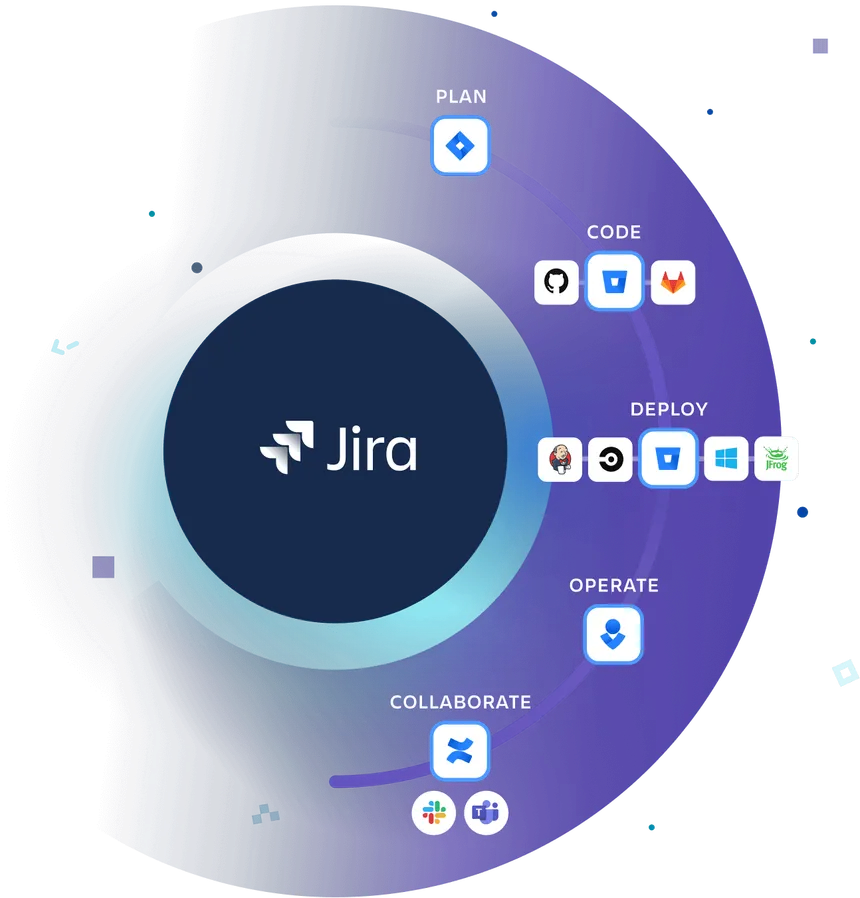
- Integration with Development Tools – Jira’s seamless integration with version control systems, continuous integration tools, and other development software supports the DevOps practices often integrated into agile workflows.
XXX