Mutatio Undarum Britannici Identitatis: Ab Hereditate Ad Futurum.
The concept of British identity has evolved significantly over the centuries. From a colonial empire that spanned the globe to its current position as a member of the international community, the idea of what it means to be British has been shaped by historical, political, and cultural forces. This evolving identity not only affects domestic policy but also carries profound implications for international law. The evolving nature of British identity and its influence on international law touches upon key legal principles, such as sovereignty, self-determination, and human rights.
In the modern world, British identity is no longer solely defined by its imperial past. While the legacies of colonialism continue to influence British culture and foreign policy, the United Kingdom’s transformation into a multicultural, democratic nation-state has reshaped its role on the global stage. The United Kingdom’s participation in international law reflects its evolving self-perception, and its commitment to international treaties, conventions, and organisations shows a progressive shift in British identity from empire to community member.
Historical Context and the Development of British Identity
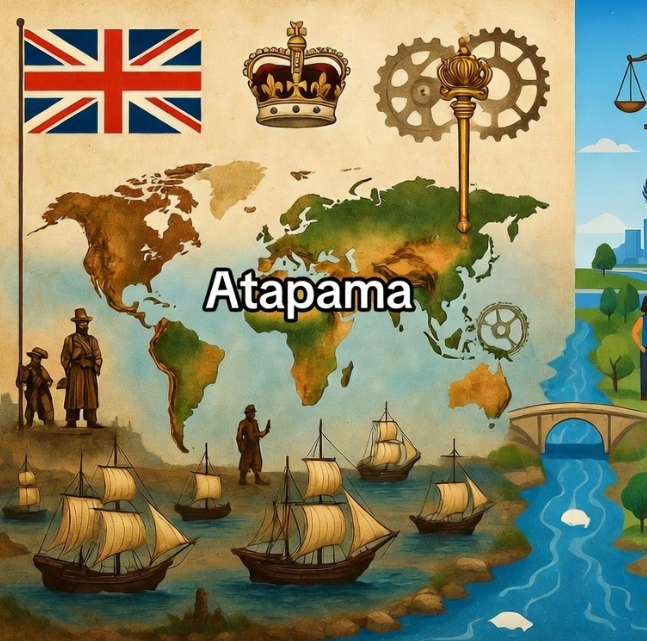
The British Empire was once one of the largest and most influential empires in history. At its height, it controlled vast swathes of territory across the globe, and the notion of British identity was intrinsically tied to the idea of empire. This imperial identity was central to British law, both domestically and internationally, as the UK imposed its legal systems on colonised regions and played a significant role in the development of international legal principles.
After the two World Wars and the subsequent decolonisation movements in the mid-20th century, Britain’s role in the world began to shift. The empire that had once provided the foundation for British identity was dismantled, and the UK had to come to terms with its reduced stature on the international stage. This process led to a re-evaluation of British identity, one that sought to balance its historical legacy with its new position in a post-imperial, multicultural world.
https://www.youtube.com/watch?v=uvd7hHpOk9w
The Role of British Identity in International Law
As British identity evolved, so too did the role of the United Kingdom in shaping international law. Historically, Britain was instrumental in establishing legal frameworks for the conduct of nations. The UK’s legal system influenced many countries around the world, and British representatives were key players in the drafting of important international treaties, including the United Nations Charter and the European Convention on Human Rights.
One of the most significant ways that British identity has impacted international law is through the principle of sovereignty. Historically, the United Kingdom has placed a strong emphasis on the importance of state sovereignty. This commitment to sovereignty was reflected in its reluctance to fully integrate into European institutions, such as the European Union, and its desire to retain control over its laws and borders. The UK’s decision to leave the EU in 2016, through the Brexit referendum, was a direct expression of this desire for sovereignty, and it has had profound legal implications.
Brexit is perhaps the most significant recent example of how British identity intersects with international law. By leaving the EU, the UK opted to sever its formal legal ties with one of the most powerful international organisations in the world. The legal ramifications of this decision are still unfolding, but it has already prompted a re-examination of Britain’s relationship with international law. The withdrawal from the EU has raised questions about the UK’s future role in international treaties, its ability to shape global legal norms, and its place in multilateral organisations like the United Nations and the World Trade Organisation.
Another key issue that highlights the intersection of British identity and international law is the question of human rights. The UK has a long history of advocating for the protection of human rights on the global stage. As a founding member of the United Nations and a signatory to numerous international human rights agreements, Britain has played a pivotal role in promoting the principles of human dignity and freedom. However, in recent years, the UK’s commitment to these principles has been called into question, particularly in relation to issues such as immigration, refugees, and the treatment of minorities.
The UK’s approach to human rights has become increasingly complex in the context of its evolving identity. While British legal traditions have emphasised the protection of individual freedoms, recent political trends, such as the rise of nationalism and anti-immigrant sentiment, have led to concerns about the UK’s commitment to human rights principles. The government’s decision to leave the European Union, in part, was motivated by concerns over the perceived erosion of national sovereignty and the loss of control over immigration policy. This shift has raised important questions about the future of human rights protections in the UK and its role in upholding these values in the international arena.
Self-Determination and the Future of British Identity
Self-determination is another key principle of international law that has had a profound impact on British identity. In recent years, debates over self-determination have taken centre stage, particularly in the context of Scotland’s push for independence. The question of whether Scotland should remain part of the United Kingdom or pursue independence has sparked a constitutional crisis, with far-reaching implications for both domestic and international law.
The issue of Scottish independence raises important legal questions about the right of a people to self-determination and the principle of territorial integrity. The United Kingdom’s response to the independence movement has been to assert the sanctity of its union, arguing that Scotland’s decision to leave would violate the territorial integrity of the state. This debate has put British identity at odds with the principles of international law, which support the right of peoples to determine their own political status. While the legal status of Scottish independence remains unresolved, it is clear that the issue will continue to shape the future of British identity and its relationship with international law.
The Changing Nature of British Identity in the 21st Century
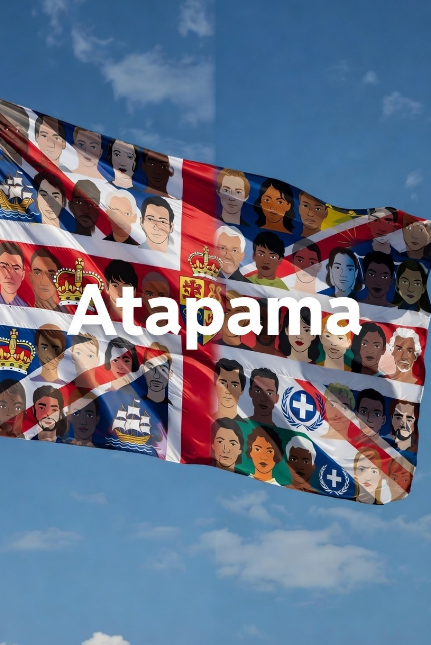
In the 21st century, British identity is increasingly defined by diversity and inclusion. The UK is now home to a wide variety of cultures, languages, and religions, and this diversity is reflected in the country’s legal system. British laws are designed to protect the rights of minorities, promote equality, and ensure that all individuals are treated fairly under the law.
The changing nature of British identity has led to a shift in the country’s approach to international law. The UK is no longer simply a colonial power seeking to impose its legal system on other nations. Instead, it is an active participant in the global legal community, working alongside other countries to address pressing global issues, such as climate change, terrorism, and human rights. The UK’s commitment to international cooperation and the rule of law is evident in its participation in a wide range of international treaties and conventions, including the Paris Agreement on climate change and the United Nations Framework Convention on Climate Change.
The UK’s evolving identity also has significant implications for its future role in international law. As a member of the international community, the UK will continue to play a critical role in shaping global legal norms and ensuring that international law reflects the values of justice, equality, and human dignity. However, the ongoing debates about British identity, sovereignty, and self-determination will undoubtedly shape the UK’s future interactions with the international legal system.
Brief
The changing tides of British identity have had a profound impact on international law. From its colonial past to its present role as a global power, Britain’s identity has shaped its legal obligations and its relationships with other countries. As the UK continues to evolve, its legal and cultural identity will continue to influence international law. The challenges posed by Brexit, human rights, and self-determination will shape the future of British identity and its place in the global legal order. Ultimately, the relationship between British identity and international law will be defined by the country’s commitment to upholding the principles of justice, equality, and cooperation in an increasingly interconnected world.
British Laws: https://www.youtube.com/watch?v=sJgN_TACncM
Through centuries, the tides have turned,
A nation’s soul, its past discerned.
From empire’s crown to future’s light,
The law has changed, yet still, the fight.
Sovereignty and rights to keep,
But in the global sea, we leap.
A British heart, both strong and free,
Now shapes the world for all to see.
Сквозь века менялись воды,
Нации дух, её выводы.
От имперской короны к свету,
Закон меняется, но больно.
Суверенитет и права хранить,
Но в мире новом нам предстоит.
Британское сердце, сильное и свободное,
Мир преображает, каждый шаг, вперед.
X-X-X