The term “successful communist countries” is complex because it depends on how one defines “success” that is, economic growth, social equality, political stability, or adherence to Marxist-Leninist ideals.
Current Communist or One-Party Socialist States
1. China (People’s Republic of China)
- Governance: One-party rule by the Chinese Communist Party (CCP).
- Economy: Technically socialist with “Chinese characteristics,” but largely capitalist in practice.
- Successes:
- Massive economic growth since the 1980s.
- Lifted hundreds of millions out of poverty.
- Major global power in trade, tech, and diplomacy.
- Criticism:
- Authoritarian control, censorship, human rights abuses.
- Significant income inequality despite socialist ideals.
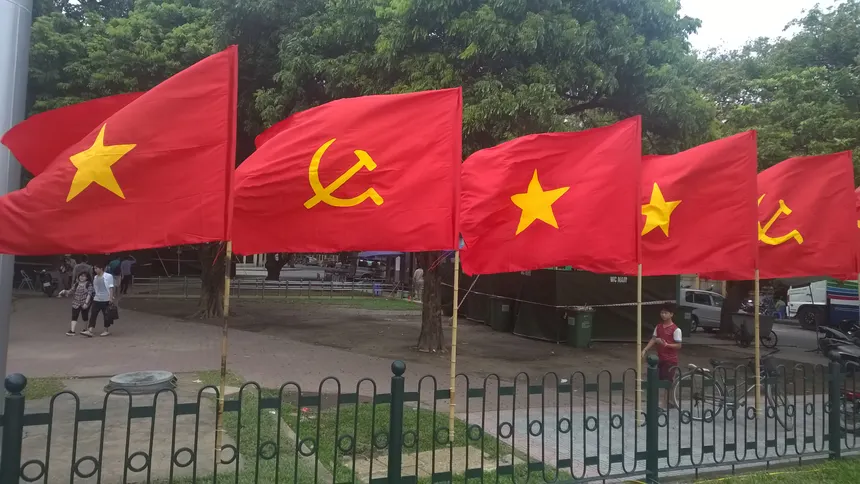
2. Vietnam
- Governance: One-party socialist republic led by the Communist Party.
- Economy: “Đổi Mới” reforms since the 1980s created a socialist-oriented market economy.
- Successes:
- Rapid economic growth.
- Reduced poverty significantly.
- Criticism:
- Limited political freedoms.
- Corruption and environmental concerns.
3. Cuba
- Governance: One-party rule by the Communist Party.
- Economy: Heavily state-controlled, with limited private enterprise.
- Successes:
- High literacy rate and strong healthcare system.
- Global reputation for medical diplomacy.
- Criticism:
- Chronic economic hardship, especially after the Soviet Union collapsed.
- Restricted freedoms and censorship.
4. Laos
- Governance: One-party state led by the Lao People’s Revolutionary Party.
- Economy: Slowly liberalizing with foreign investment.
- Successes: Stability and modest growth.
- Criticism: Underdeveloped infrastructure, authoritarian rule.
5. North Korea
- Governance: Hereditary dictatorship under a totalitarian communist regime.
- Economy: Highly centralized, largely cut off from the world.
- Successes: Maintained regime survival.
- Criticism: Widespread poverty, famine, and human rights abuses.
Former Communist States That Are Often Discussed for Their Legacy
6. Soviet Union (USSR)
- Successes:
- Rapid industrialization.
- Defeated Nazi Germany in WWII.
- Superpower status during the Cold War.
- Failures:
- Economic inefficiency.
- Political repression.
- Collapse in 1991.
7. Yugoslavia (Under Tito)
- Unique Model: Non-aligned socialism with worker self-management.
- Successes: Relative prosperity and unity for decades.
- Failures: Collapse and violent fragmentation in the 1990s.
Video: How Xi Jinping Became China’s Most Powerful Leader Since Mao Zedong: A Political and Legal Analysis.
Summary
No country has achieved a fully “communist” society as defined by Marx (a classless, stateless utopia). However, countries like China and Vietnam have had significant economic and social development while maintaining one-party socialist systems, even though they diverge sharply from classical communist theory. Whether you call them “successful” depends on what values and outcomes you prioritize.
X