📄 Legal-Analytical Article. The Rise of Xi Jinping: Power in China!
Introduction
Xi Jinping, General Secretary of the Chinese Communist Party (CCP), President of China, and Chairman of the Central Military Commission, has consolidated more political power than any Chinese leader since Mao Zedong. His rise to dominance marks a departure from decades of collective leadership and institutional constraints designed to prevent the emergence of another autocrat.
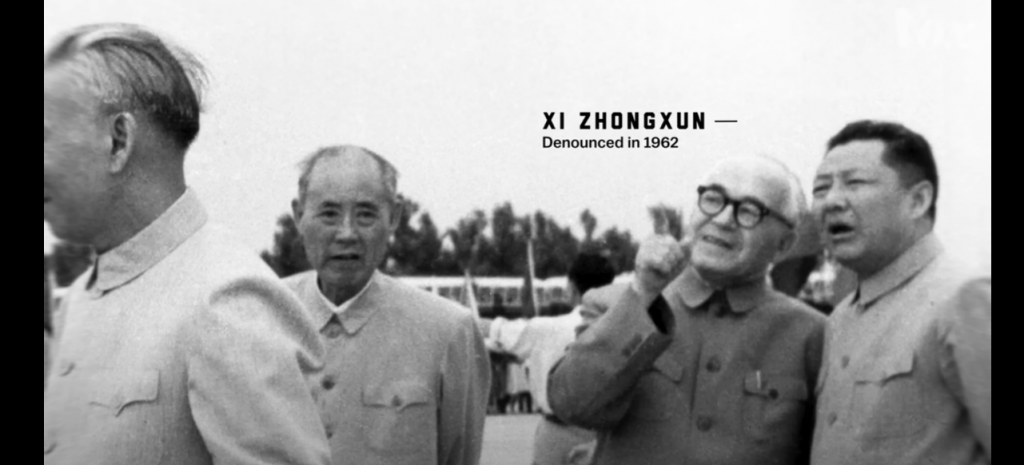
Early Life and Maoist Roots
Xi’s early life was shaped by both privilege and persecution. As the son of Xi Zhongxun, a revolutionary hero purged during the Cultural Revolution, Xi Jinping experienced political exile and labor re-education firsthand. This duality—elite status combined with personal suffering—shaped his political pragmatism and resilience.
Legal and Political Mechanisms of Power Consolidation
Following his promotion to the Politburo Standing Committee in 2007 and assumption of top roles in 2012, Xi began methodically restructuring the party. Legal mechanisms and intra-party regulations were reshaped to:
- Remove term limits (2018 constitutional amendment)
- Expand the scope of anti-corruption campaigns (targeting political rivals)
- Increase surveillance and censorship under the Cybersecurity Law
- Tighten party control over courts, universities, and civil society
These tools allowed Xi to reduce the autonomy of state institutions and centralize power in the Party—and himself.
Breakdown of Deng’s Norms
Xi’s rise reversed Deng Xiaoping’s reforms that emphasized collective leadership and term limits. By October 2022, with his third term confirmed, Xi had transformed the CCP leadership into a loyalist bloc. The elimination of internal checks and balances raises critical legal concerns about the erosion of institutional governance and the rule of law in the PRC.

Conclusion
Xi Jinping’s political trajectory is not just about personal ambition—it reflects a systemic shift in China’s governance model. His consolidation of power reasserts the CCP’s dominance while dismantling safeguards meant to prevent authoritarianism. In doing so, Xi has fundamentally altered the balance between Party, state, and law in modern China.
🔑

🔑 🔑 🔑