Business Insider Essay written by: Annemarie Dooling

- She often thinks of the women in her family, since they all share similar names.
- She is 40 and will probably not have children, so her family lineage will end with her.
- She wonders what her ancestors would think of the life she has chosen.
Going back at least five generations, she is the end of a line of women whose names she carries.
Some of these women — mostly Anna’s and Maria’s, Maria Graziana, Anna Marie, and Anna Margaret further up the tree — are no more than branches to her, women who settled in Brooklyn in the early 1800s from Ireland or, far more recently, from Italy. Her mother and her grandmother, Anna, and Maria, are the women who raised her and who she thinks of when she signs a document or orders a coffee.
Yet, they all cross her mind — these women confined to lives that might not have kept them comfortable or safe, living in times when they had no choices and survival was their main focus.
Their history has boiled down to Census Bureau data and ship manifests. Now, at 40 and unlikely to have children, that lineage will disappear with her. She has spent a lot of time wondering about the expectations these women would have had for her, given all the choices her life has offered.
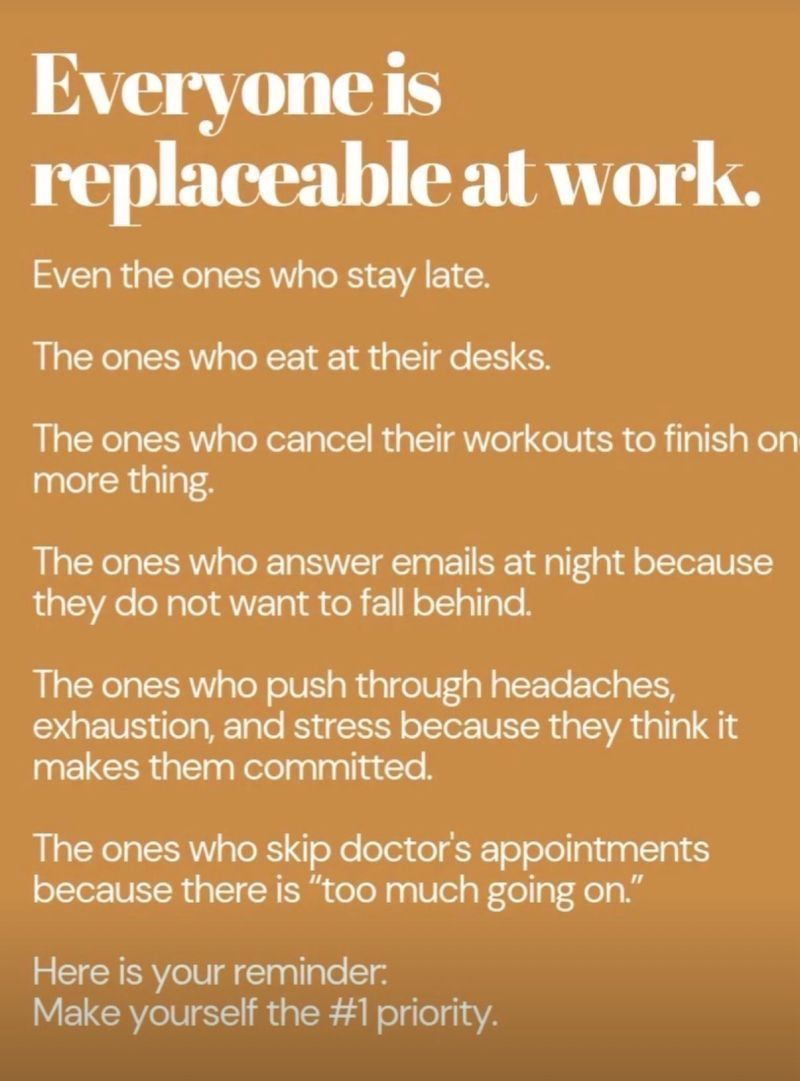
She is tired and doesn’t want to hustle anymore.
Growing up, she heard the stories of her mother hiding her in the service truck when she couldn’t afford day care while working at her phone company job.
Her mother believed that hard work and sacrifice would give her daughter a life she never had. She brought her to diction classes to smooth away her New York accent. Together, they made up stories about her working in an office across the river in Manhattan and, one day, owning her own home.
Every opportunity would be available to her.
And her mother was right; they have been — and she grasped them all. Every time an opportunity presented itself, she seized it.
She traveled across six continents, held dream jobs, and met celebrities, politicians, and royalty. She owns her own home, where she proudly displays a black-and-white photo of her maternal family — a reminder of who she has to thank for everything.
But she holds an overwhelming secret: she is tired deep in her bones and no longer wants to hustle.
She dreams of the simple life her ancestors had.
Now, she yearns for the Neapolitan castle towns and the Irish fields her ancestors once walked. She flips through Instagram accounts dedicated to cheap homes, dreaming of fixer-uppers in Abruzzo, of eating fragrant tomatoes off the vine, and gossiping with neighbors in communal gardens.
Related stories
Business Insider tells the innovative stories you want to know
She longs for a simple life. She wants to find a slower treadmill.
She craves time to absorb art and literature, to see beauty with her own eyes, and to meet new people. She wants to be able to name every star in the sky.
But if she stops climbing and chasing accolades, would she be letting them down?
There is a lot of science behind the psychology of big expectations. It is common to feel the heavy weight of family traditions steering our lives. And when those relatives are long gone, the emotion of wondering whether she has done enough with the time given to her grows even sharper. Everyone wants the people they love — even those they have never met — to be proud.
A 2007 analysis of research by scientists Todd Rogers and Katy Milkman brings this emotion into everyday perspective. Think about walking through a grocery store: she might aim to eat healthier but still pass the apples and choose a chocolate bar instead. Rogers and Milkman call this moment the battle between the should-self vs. the want-self, — what she should do versus what she actually wants to do — a dynamic found far beyond supermarkets.
In this chocolate bar example, instant gratification fuels the want-self: what will make her happy right now?
Meanwhile, the should-self compiles a mental list of long-term benefits meant for a better future.
In Psychology Today, psychotherapist and author Nancy Colier expands this idea, suggesting that the “shoulds” often stem from external standards — like believing she must hold a specific job title or look a certain way — and even from outdated family traditions that no longer serve anyone.

She is focusing on what she wants now.
She is focusing more on what she wants now.
Many moments of her happy, privileged life beg the question: Am I doing enough? Is she maximizing every opportunity? Has she climbed as high as she possibly can, socially and professionally? What would her ancestors think of the life she has built?
But lately, through reading and reflection, she has been flipping the script. She is rejecting the exhausting list of “shoulds” and inviting in more “wants.” After all, isn’t part of having choices choosing what she truly desires?
Being her best self isn’t about rigidly following imagined obligations. It is about finding real happiness in the life she has been given. Hopefully, that is exactly what would make the Annas and Marias proud, too. Again, hopefully — just hopefully — that is exactly what Anna and Maria would have wanted for her, too.
🌱x🌱