Balancing Conflict with Compassion: Vis Occulta Intelligentiae Emotivae in Resolutione Controversiarum
🌕 Effects (Plus versus Minus)
Positive Effects
- Strong emotional resilience in the face of conflict.
- Natural ability to serve and support others, especially in healing or caregiving professions.
- Sharp intuition in identifying issues, especially in work or health.
- A compassionate approach to handling enemies or opposition.
- Thrives in professions related to law, mediation, healthcare, or public service.
Negative Effects
- Tendency to become emotionally overwhelmed by workplace stress or routine struggles.
- Prone to psychosomatic illnesses—emotions affect health easily.
- Overthinking opponents or worrying too much about competition.
- Mood swings can affect consistency at work.
- May feel emotionally burdened by responsibilities.
IT IS ABOUT THE HERE & NOW!
x🌕x
⚕️ Medical Perspective
Psychosomatic means mind (psyche) and body (soma). A psychosomatic disorder is a disease that involves both the mind and the body.
What are psychosomatic disorders?
Psychosomatic disorders are conditions that cause troublesome, distressing physical symptoms, caused by the autonomic nervous system not functioning correctly. The autonomic nervous system controls involuntary actions within the body – such as your heart rate, blood pressure, digestion as well as other functions. There are many different symptoms and types of conditions which can result from this.
Which diseases are psychosomatic?
To an extent, most diseases are psychosomatic – involving both mind and body. There is a mental aspect to every physical disease. How we react to disease and how we cope with disease vary greatly from person to person There can be physical effects from mental illness. For example, with some mental illnesses, you may not eat, or take care of yourself, very well which can cause physical problems.
Some physical diseases are thought to be particularly prone to be made worse by mental factors such as stress and anxiety. For example, these include:
It is thought that the actual physical part of the illness (the extent of a rash, the level of blood pressure, etc) can be affected by mental factors. Many people with these and other physical diseases say their mental state can affect how bad their physical disease is at any given time.
Some people also use the term psychosomatic disorder when mental factors cause physical symptoms but where there is no physical disease found. For example, chest pain may be caused by stress and no physical disease can be found.
See the separate leaflet called Somatisation and Somatoform Disorders for more details.
How can the mind affect physical diseases?
It is well known that the mind can cause physical symptoms. For example, when we are afraid or anxious we may develop symptoms of anxiety. These are good examples of psychosomatic symptoms.
x🌕x
🌿 Shaolin Perspective
🌿 Основные добродетели Шаолиня (У Дэ).
Шаолиньские добродетели, также известные как У Дэ (武德), — это моральные и этические нормы, которым следуют монахи Шаолиня и мастера боевых искусств. У Дэ буквально переводится как «воинская добродетель» и подчеркивает не только мастерство в бою, но и духовное и нравственное поведение самого практикующего.
🌿
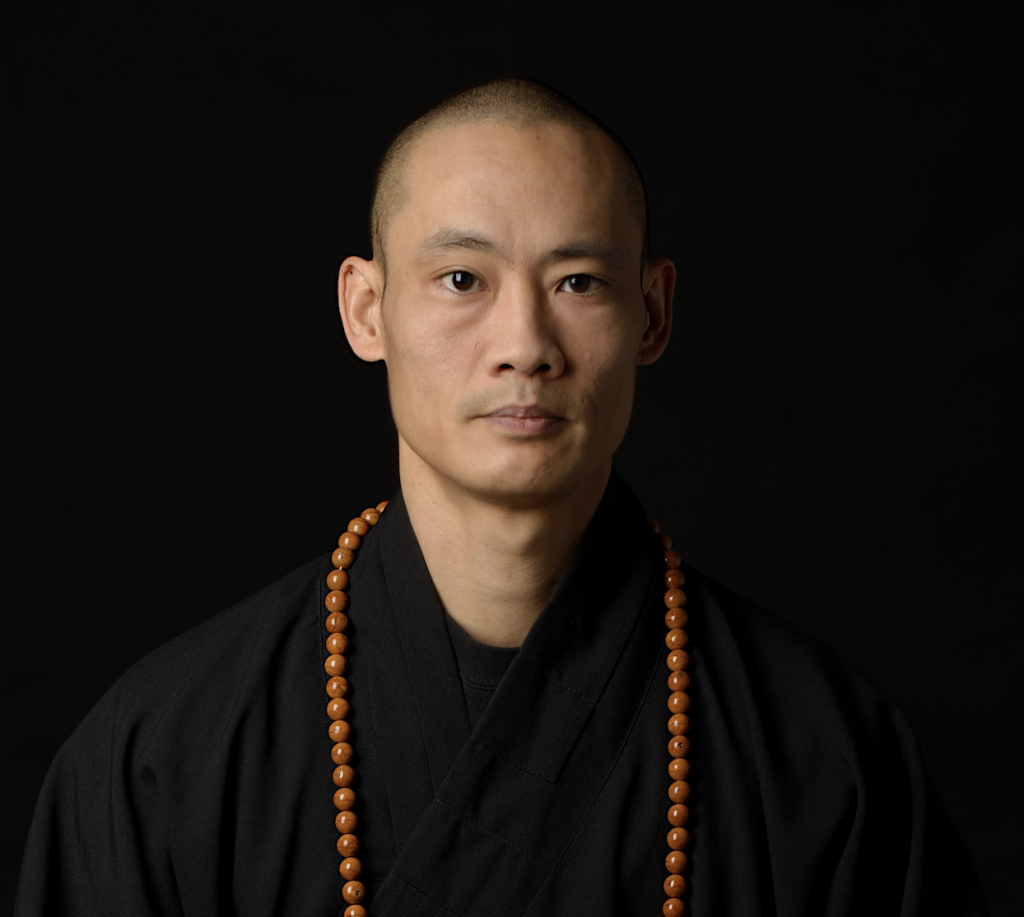
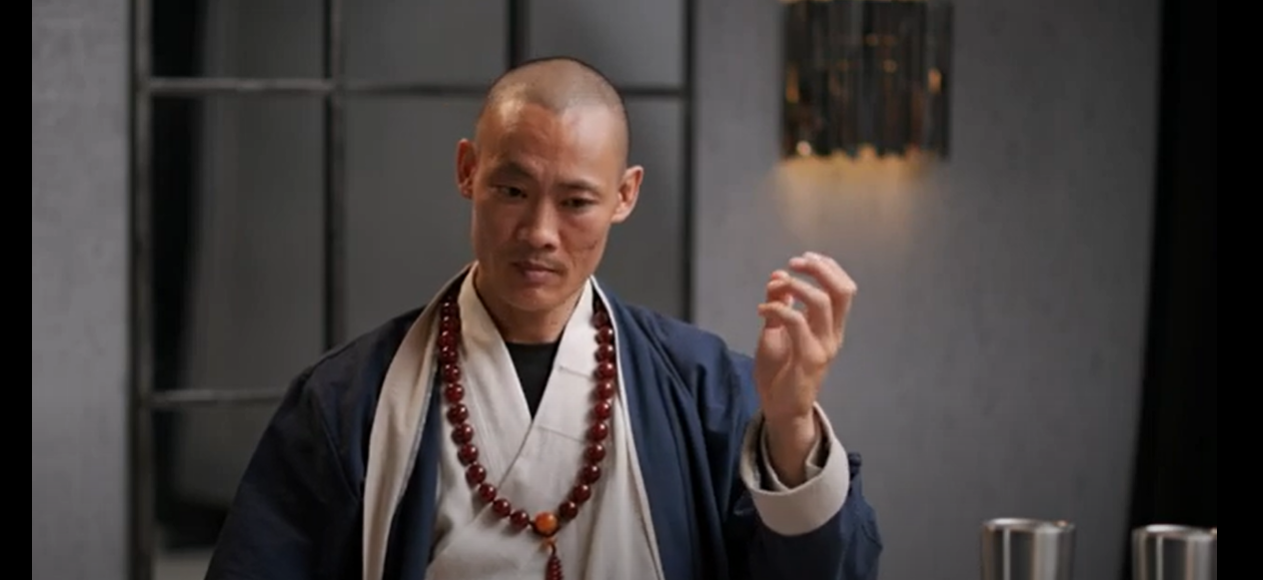
Shi Heng Yi 释恒義 belongs to the 35th Generation of Shaolin Masters and is the headmaster of the Shaolin Temple Europe 歐洲少林寺 located in Germany.
Official Website: https://www.shihengyi.online
x🌕x
Watch the DOAC interview with CEO Steven Bartlett.
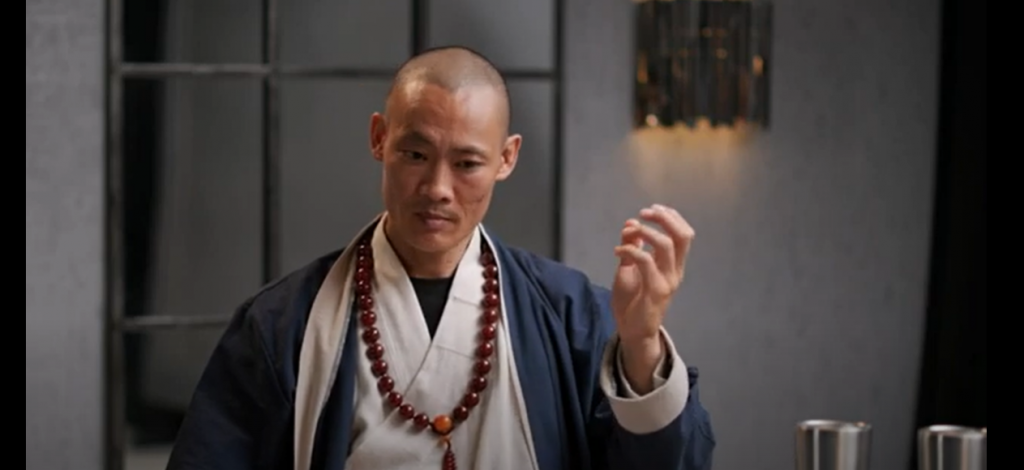
The Shaolin Master Laws! Real vs Fake! Legal Atapama.
Master Shi Heng Yi is the Headmaster of the Shaolin Temple Europe and a spiritual teacher, who shares ancient Eastern philosophy to help people master their mind, body, and purpose in life. He is also the author of the book, ‘Shaolin Spirit: The Way to Self-Mastery’.
WATCH THE SHAOLIN MASTER FULL VIDEO: HERE!
🌿
The Shaolin virtues, also known as Wu De (武德), are the moral and ethical codes followed by Shaolin monks and martial artists. Wu De translates literally to “Martial Virtue”, and it emphasizes not just skill in combat but also the spiritual and ethical conduct of the practitioner.
🌿 Core Shaolin Virtues (Wu De)
There are traditionally ten Shaolin virtues, divided into two categories:
A) Five Heart Virtues (Moral Conduct – 心德 / Xin De)
These relate to character and internal discipline:
- Humility (谦 / Qiān) – Respect and modesty in all things
- Respect (敬 / Jìng) – Reverence for teachers, peers, and oneself
- Trust (信 / Xìn) – Honesty, loyalty, and being true to one’s word
- Righteousness (义 / Yì) – Justice, fairness, and standing up for what’s right
- Loyalty (忠 / Zhōng) – Devotion to your principles, family, and community
B) Five Combat Virtues (Martial Conduct – 武德 / Wu De)
These relate to behavior in martial arts and conflict:
- Courage (勇 / Yǒng) – Facing fear and danger with strength
- Endurance (忍 / Rěn) – Patience and the ability to bear hardship
- Perseverance (恒 / Héng) – Steadfastness in training and life
- Willpower (毅 / Yì) – Determination and mental toughness
- Discipline (严 / Yán) – Strict control over one’s body and mind
💡 The Essence of Wu De
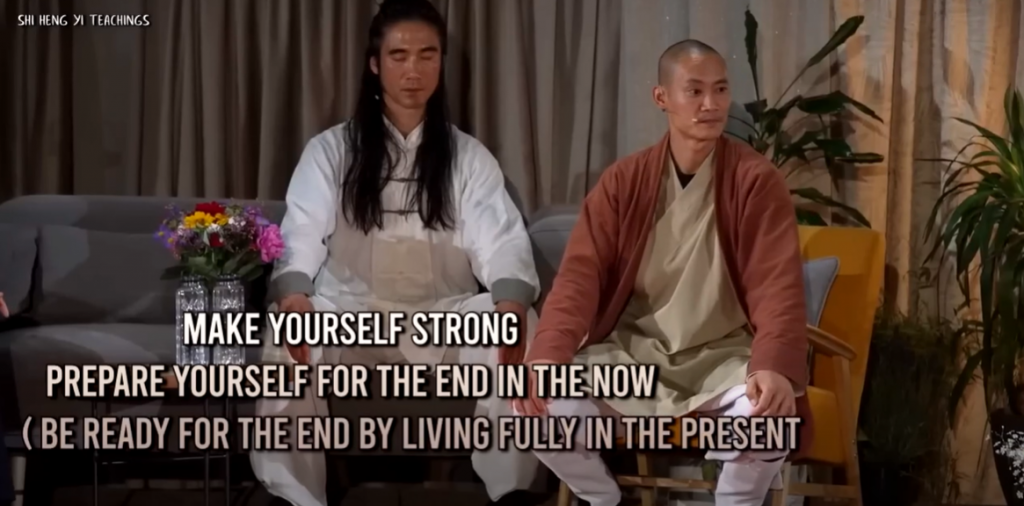
Martial arts are not just about fighting—they are about cultivating peace within and promoting harmony in the world. Wu De reminds practitioners that true strength comes from integrity, humility, and compassion, not domination.
x🌕x
🧾 Legal Perspective
Balancing Conflict with Compassion: The Subtle Power of Emotional Intelligence in Dispute Resolution
Aequilibrium in Discordia: Vis Occulta Intelligentiae Emotivae in Resolutione Controversiarum
—
Dear Clients,
In the complex arena of legal conflict—especially in the realm of Alternative Dispute Resolution (ADR)—there is an often-overlooked force that significantly shapes outcomes: emotional awareness.
As someone with a deep-rooted connection to service and resolution, I have come to recognize how emotional intelligence, particularly the ability to navigate emotionally charged situations, is not just an asset but a necessity. This manifests clearly when dealing with disputes that require more than cold logic—they demand empathy, timing, and a capacity to understand underlying tensions.
My natural inclination is not to dominate a room but to read it. I bring a calm center to the storm, especially when disputes are clouded by personal grievances or organizational breakdowns. This makes me especially effective in ADR, where success is measured not in wins or losses, but in restored relationships and practical solutions.
At times, I admit that deep emotional attunement can feel like a double-edged sword. It makes one sensitive to undercurrents others might miss—but it also requires careful boundaries to avoid burnout. This balance is something I work on constantly, ensuring I can serve your legal needs with both heart and mind.
When I assist in mediation and legal settlements, I don’t just focus on the law—I focus on people. On emotions. On restoring balance. Whether we are resolving internal workplace disputes, negotiating settlements, or mediating family matters, my goal is to guide you through with clarity, care, and confidentiality.
In law, especially ADR, it is not the loudest who wins—it is the one who listens best. And that is a skill I take pride in.
Follow the law, explain your facts clearly, and listen to your lawyer attentively.
Regards,
Advocate
Qualified Legal Practitioner | ADR Specialist
x🌕x