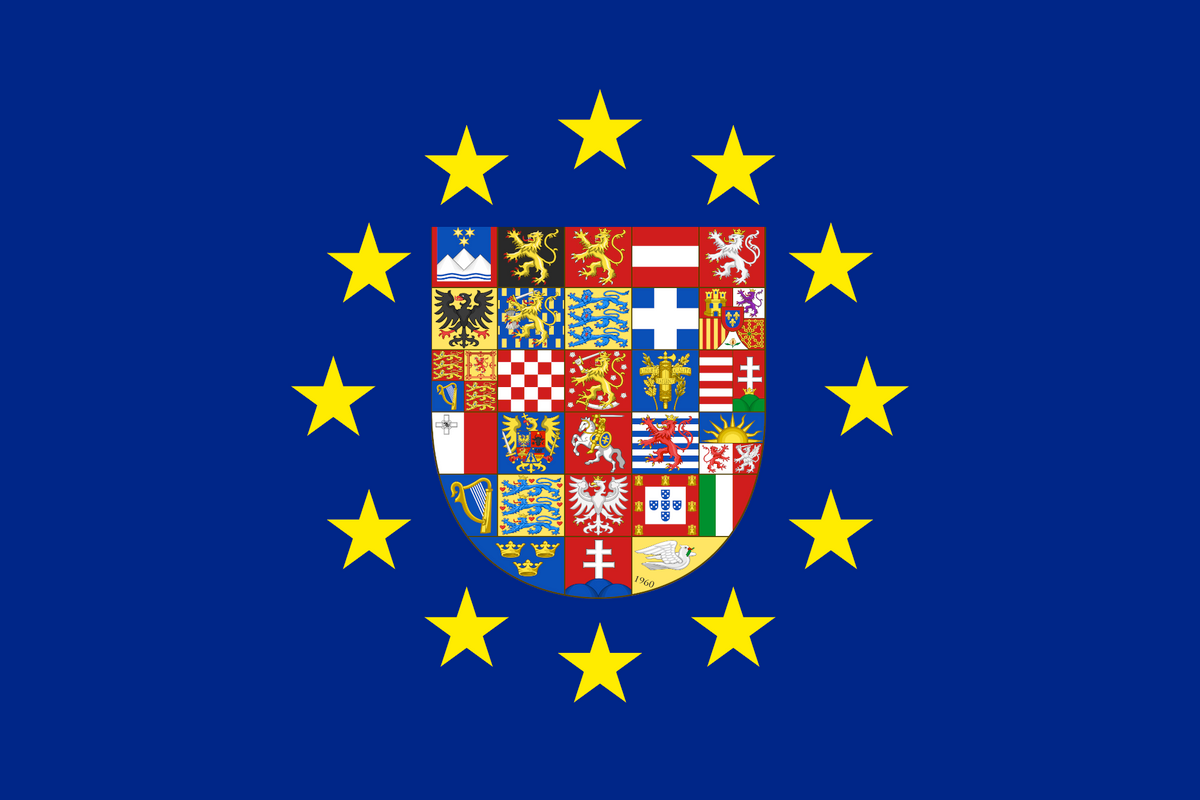
Europe was built on the principle of freedom of movement.
However, security politics, xenophobia, unemployment, the coronavirus pandemic, and the ongoing war in Ukraine are continuously redefining migration movements, along with the rules that govern them.
The humanitarian catastrophe caused by the war in Ukraine has resulted in the development of many different reception strategies across the EU. The complexity of this response demonstrates how inconsistent Europe’s answer to immigration and human suffering is. While some refugees are welcomed with open arms, others are being turned away.
Krakow’s population has increased by 50% since Russia attacked Ukraine in February 2022. Meanwhile, Europe has been busying itself with drawing up real and virtual borders that are patrolled by militia. But migration is an entirely normal phenomenon.
People who leave their home country in search of a better life have shaped the face of the continent for centuries.
From England to Bulgaria, ex-pats are a core part of Europe’s identity. In spite of this, foreign workers frequently face rejection. They are often blamed for national economic decline. Nonetheless, they are a vital element of modern-day Europe: In an aging society that depends on migrants to survive, they are the backbone of the labor market. But as right-wing and eurosceptic voices rise, these basic facts tend to get lost. Now, the war in Ukraine is causing Europe to rethink its position – both ethically and practically.
Once again, Europe’s migration policies are facing historical challenges.